10 Easy Ways to Grow Vegetables in Small Spaces
You do not need a large yard to grow useful vegetables at home. A balcony, patio, narrow side yard, front step, or other compact space can become a productive small-space vegetable garden with the right containers, crops, and growing methods.
Before planting, observe how much sunlight your space receives and consider access to water, drainage, wind exposure, and room for plant supports. Most fruiting vegetables, including tomatoes and peppers, need plenty of direct sunlight, while leafy greens and many herbs can tolerate less.
The following 10 practical ideas can help you make better use of limited space while keeping your garden manageable and productive.
1. Start With a Container Garden
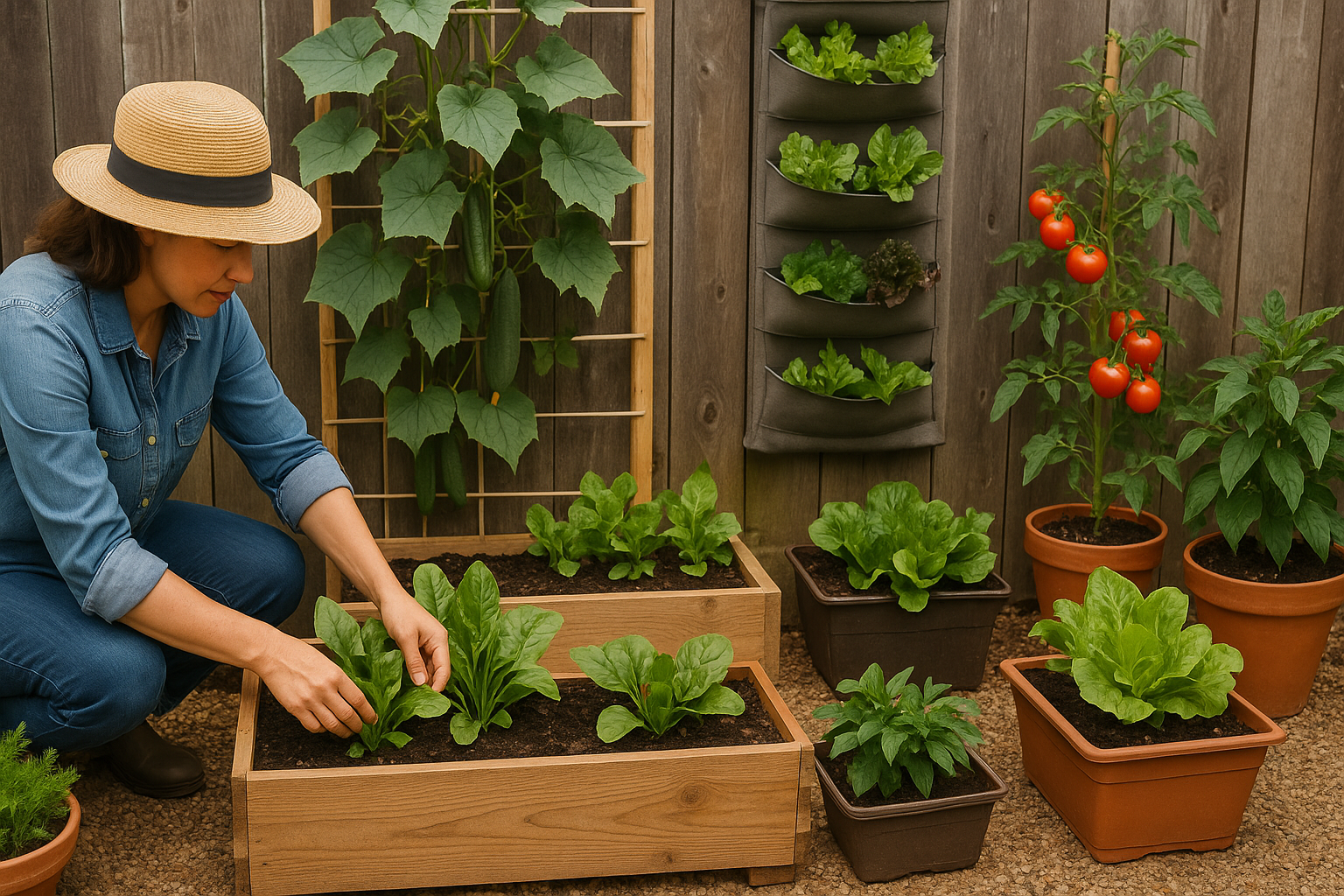
Containers make it possible to grow vegetables almost anywhere without digging garden beds. Flowerpots, fabric grow bags, window boxes, buckets, and sturdy planters can all work. Every container should have drainage holes so excess water can escape.
Match the container to the crop. Lettuce, radishes, and many herbs have relatively shallow roots, while tomatoes, eggplants, and squash need more room. Large containers usually dry out more slowly and provide more stable growing conditions than very small pots.
Fill containers with a high-quality potting mix rather than soil dug from the yard. Potting mix is lighter, drains better, and is less likely to become compacted. Place a saucer under indoor pots, but do not allow the roots to sit in water.
2. Grow Up With Trellises
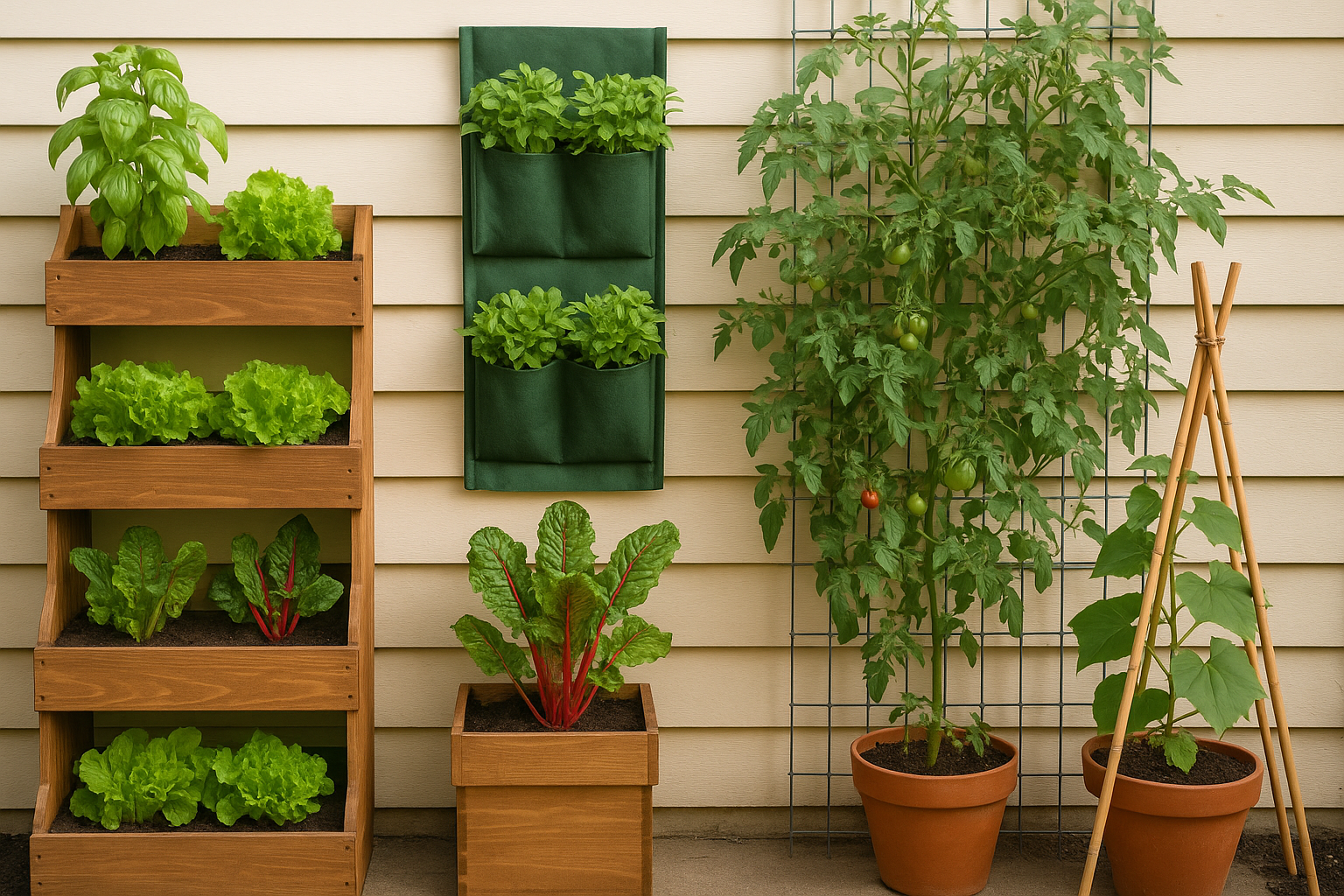
Vertical gardening expands your planting area by directing climbing crops upward rather than allowing them to spread across the ground. A trellis, sturdy cage, railing panel, or securely anchored netting can support pole beans, peas, cucumbers, and some compact vining squash.
Install supports before the plants become large to avoid damaging their roots. Tie stems loosely with soft garden ties when necessary, and make sure the structure can support the mature plants and their fruit. Position tall crops where they will not block sunlight from reaching shorter plants.
3. Use Railings and Walls
Railings and walls provide valuable growing space when floor space is limited. Railing planters are well suited to lettuce, spinach, green onions, radishes, and compact herbs. Wall-mounted pockets or shelves can hold lightweight pots of shallow-rooted crops.
Secure every planter carefully, particularly above sidewalks or neighboring properties. Choose hardware designed for the surface and expected load. Remember that wet potting mix is heavier than dry mix. If a wall reflects heat, monitor plants closely because their containers may dry out quickly.
4. Choose Compact Vegetable Varieties
Look for seed packets and plant labels that use terms such as compact, patio, bush, dwarf, or determinate. These varieties are often easier to manage in pots and small beds. Bush beans require less vertical space than pole beans, while patio tomatoes generally remain more manageable than vigorous indeterminate varieties.
Compact does not mean maintenance-free. Plants still need suitable containers, regular watering, nutrients, and enough light. Check the mature size listed for each variety rather than relying solely on a product photo.
5. Plant Fast-Growing Crops in Succession
Succession planting means sowing a new crop after an earlier one is harvested or making small, repeated sowings over time. This approach keeps a limited growing area productive and can prevent you from harvesting more vegetables than you can use at once.
Good options include radishes, baby carrots, leafy greens, green onions, and bush beans. For example, sow a short row of radishes, harvest them, and use the open space for lettuce or another suitable seasonal crop. Follow local planting dates because vegetables have different temperature preferences.
6. Try Interplanting
Interplanting involves growing compatible vegetables together based on their growth habits and harvest times. You might grow quick-maturing radishes around a young tomato plant, tuck green onions beside lettuce, or plant low-growing greens near a trellised cucumber.
Avoid crowding plants simply to fit more into one pot. Overcrowding reduces airflow and creates competition for water, light, and nutrients. Use the spacing guidance on seed packets as a starting point, then consider the size of your container and the mature shape of each plant.
7. Grow Leafy Greens in Shallow Planters
Lettuce, arugula, spinach, mustard greens, and Asian greens are practical choices for window boxes and other wide, shallow planters. Many can be harvested by removing the outer leaves while allowing the center of the plant to continue growing.
Leafy greens generally prefer consistent moisture. Check the soil frequently by pressing a finger into the top layer. Water when it begins to feel dry, applying enough water for some to drain from the bottom. During hot weather, move portable planters away from intense afternoon sun if the greens wilt or begin to bolt.
8. Create a Simple Salad Garden
Grouping vegetables according to how you use them can make a small garden more convenient. A salad container could include leaf lettuce, radishes, green onions, and a compact parsley plant. Position larger plants where they will not shade the rest of the container.
Not every salad ingredient should share one pot. Tomatoes and cucumbers generally need more root space and stronger support, so give them separate containers nearby. Keeping related ingredients in the same area can still make watering, harvesting, and meal preparation easier.
9. Use Hanging Baskets
Hanging baskets can turn unused overhead space into a growing area. Suitable choices include compact cherry tomatoes, trailing nasturtiums with edible leaves and flowers, strawberries, and certain small pepper varieties. Select plants based on the size of the basket and the amount of sunlight the location receives.
Hanging containers are exposed to air on all sides, so they may dry out faster than ground-level pots. Check them regularly and water thoroughly as needed. Use strong hooks and supports, and hang baskets at a height that allows for safe watering and harvesting.
10. Add Microgreens Indoors
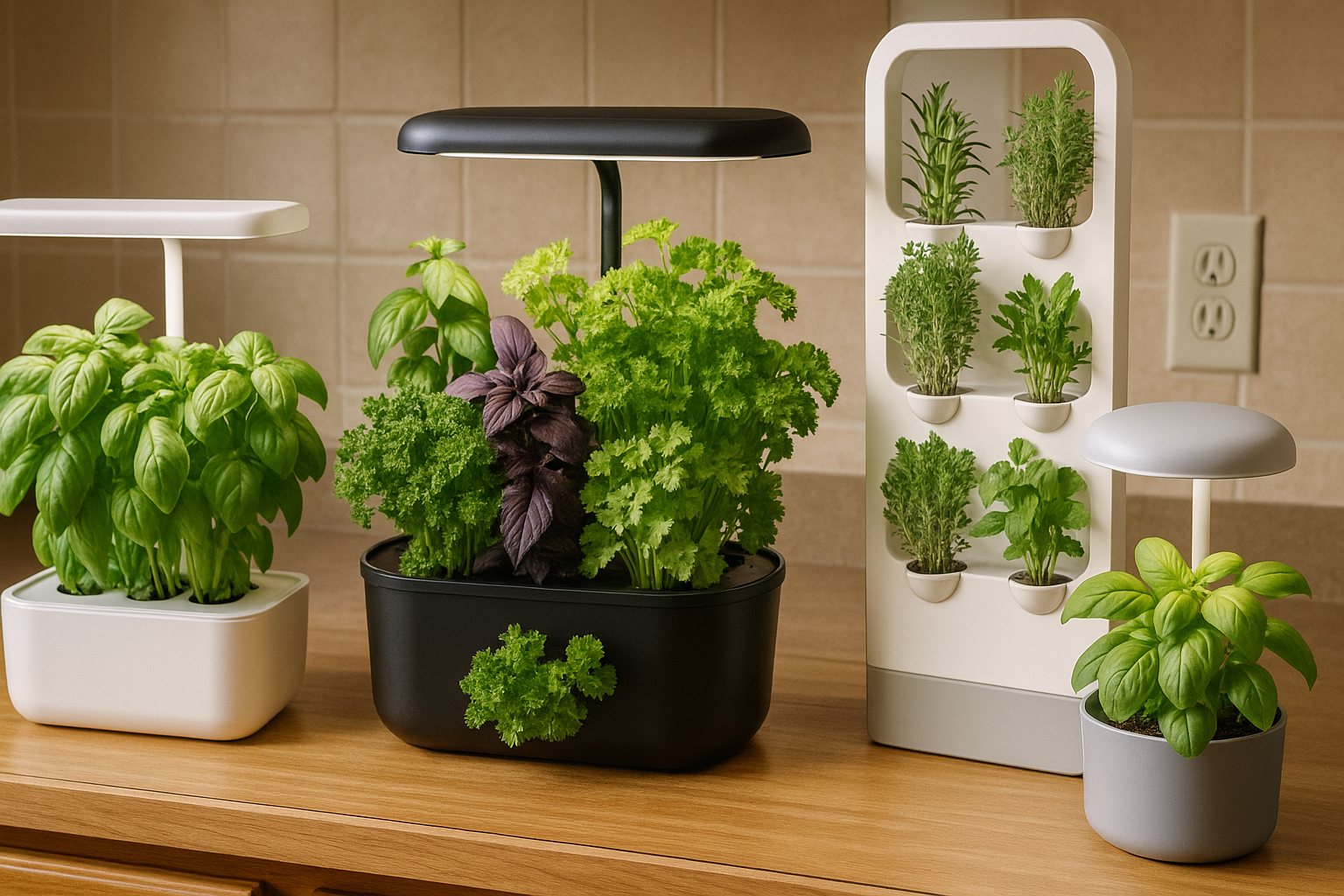
Microgreens are young, edible seedlings that can be grown in small trays near a bright window or under a suitable grow light. Peas, radishes, broccoli, kale, and mustard are common choices. They require little space and can supplement an outdoor container garden.
Use clean trays, fresh growing medium, and seeds sold for sprouting or microgreen production. Follow the seed supplier's directions for sowing, lighting, watering, and harvesting. Provide adequate airflow and avoid keeping the growing medium waterlogged.
Small-Space Garden Care Tips
- Water according to need: Check containers frequently, but water only when the growing medium begins to dry. Conditions vary depending on the pot size, weather, and crop.
- Feed container plants: Nutrients wash out of pots over time. Apply a fertilizer labeled for edible container plants according to the package directions.
- Inspect regularly: Look under leaves for pests, remove damaged foliage, and address problems before they spread.
- Harvest often: Picking beans, greens, cucumbers, and herbs at the appropriate stage encourages continued production and helps prevent waste.
- Keep notes: Record which locations receive the most sunlight and which varieties perform well in your space.
Make the Most of the Space You Have
A productive vegetable garden does not require a large property. Begin with a few crops you enjoy eating, provide containers that accommodate their roots, and expand only after learning how quickly your growing space dries out and how much light it receives. By combining containers, vertical supports, compact varieties, and successive plantings, you can create a manageable small-space vegetable garden suited to your home and routine.