Make Your Home More Energy Efficient
Improving home energy efficiency does not necessarily mean making major changes or disconnecting from the electrical grid. For many households, it means using less purchased energy, improving comfort, and maintaining essential systems during outages.
The best results often come from reducing energy demand before investing in generation or storage equipment. Start with a realistic assessment of your property, budget, climate, and energy needs, then make improvements in stages.
The following ten strategies can help you use energy more efficiently while building a more practical and resilient home.
1. Complete a Home Energy Audit
An energy audit identifies where your home is wasting electricity or losing heated and cooled air. You can begin with a do-it-yourself inspection, but a professional audit may include blower-door testing, infrared imaging, duct evaluation, and appliance measurements.
Review at least 12 months of utility bills to understand seasonal patterns. A plug-in electricity monitor can show how much power individual devices use, while a whole-home monitor can help identify large or unexpected loads. Use the findings to create a prioritized improvement plan rather than purchasing renewable energy equipment based on guesswork.
2. Improve Insulation and Air Sealing
A well-sealed building requires less energy to stay comfortable. Seal gaps around windows, doors, plumbing penetrations, attic hatches, recessed lighting, and utility openings. Weatherstripping and appropriate caulk are inexpensive options for many accessible leaks.
Insulation levels should be appropriate for your climate and the part of the home being improved. Attics are often a good place to begin, followed by floors over unconditioned spaces, exterior walls, and accessible ductwork. Because moisture and ventilation problems can develop when a home is tightened, consider professional guidance before making major changes.
3. Reduce Everyday Electricity Consumption
The smaller your electrical load, the easier and less expensive it is to supply with solar panels, batteries, or a backup generator. Replace frequently used incandescent or halogen bulbs with LEDs, turn off unnecessary lighting, and enable sleep settings on computers and entertainment equipment.
Look for hidden loads as well. Older freezers, second refrigerators, dehumidifiers, well pumps, and constantly running fans can consume substantial electricity. Smart power strips or switched outlets can reduce standby use, but critical devices such as internet equipment, medical equipment, and security systems should remain powered as needed.
4. Install a Right-Sized Solar Power System
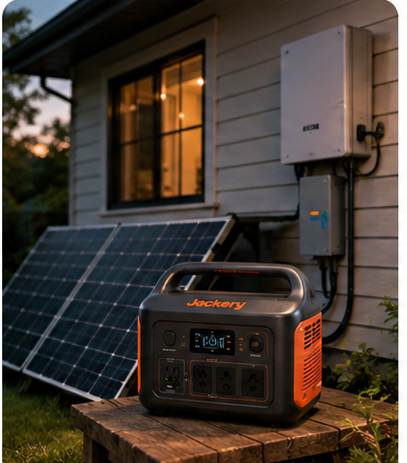
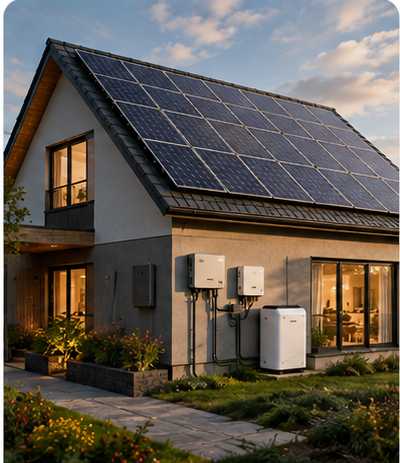
Rooftop or ground-mounted solar panels can supply a meaningful share of a home's electricity. System size should be based on your annual consumption, available sunlight, roof condition, shading, local regulations, and future plans such as adding an electric vehicle.
Do not assume the largest possible array is automatically the best choice. First reduce unnecessary consumption, then obtain estimates based on realistic production data. Compare equipment warranties, inverter types, installer credentials, and projected output. Grid-connected systems may also require utility approval and special metering arrangements.
5. Add Battery Storage for Essential Loads
A home battery stores electricity for use after sunset, during peak-rate periods, or when the grid fails. However, battery capacity is limited. Instead of trying to power every circuit during an outage, identify essential loads such as refrigeration, water pumping, communications, lighting, and selected heating controls.
Ask an installer how much usable capacity the battery provides, how much power it can deliver at once, and whether the system can start large motors. Battery chemistry, operating temperature, warranty terms, and expected cycle life also matter. Batteries and associated electrical equipment should be installed in approved locations according to applicable codes.
6. Use Passive Solar Design and Natural Cooling
Passive strategies improve comfort without continuously using electricity. In colder conditions, properly placed windows can admit useful winter sunlight. Thermal curtains or insulated shades can reduce nighttime heat loss. In hot climates, roof overhangs, exterior shades, awnings, and deciduous trees can block intense summer sun.
Natural ventilation may reduce air-conditioning use when outdoor conditions are suitable. Cross-ventilation, ceiling fans, and nighttime cooling can help, but windows should remain closed when outdoor air is excessively humid, smoky, or hotter than indoor air. Light-colored roofing and adequate attic ventilation may also reduce unwanted heat gain where appropriate.
7. Upgrade Heating, Cooling, and Water Heating
Heating and cooling are often among a home's largest energy expenses. A properly sized high-efficiency heat pump can provide efficient heating and cooling in many climates. Cold-climate models are designed to operate at lower outdoor temperatures, though some homes may still need supplemental heat.
Heat-pump water heaters can use less electricity than conventional electric resistance tanks, but they require suitable space, temperature, drainage, and airflow. Lower-cost steps include sealing ducts, replacing clogged filters, insulating accessible hot-water pipes, fixing hot-water leaks, and using reasonable thermostat settings. Have combustion appliances inspected before changing ventilation or sealing nearby spaces.
8. Choose Efficient Appliances and Equipment
When an appliance reaches the end of its useful life, compare estimated annual energy consumption rather than focusing only on purchase price. Refrigerators, freezers, clothes dryers, water heaters, and well pumps can remain in service for years, so operating costs matter.
Avoid replacing functional equipment solely for minor efficiency gains unless the numbers support it. Maintenance can also improve performance. Clean refrigerator coils when recommended, keep dryer vents clear, repair damaged door seals, and maintain pumps and filters. When practical, air-drying clothes eliminates the dryer's energy use for that load.
9. Diversify Your Backup Energy Options
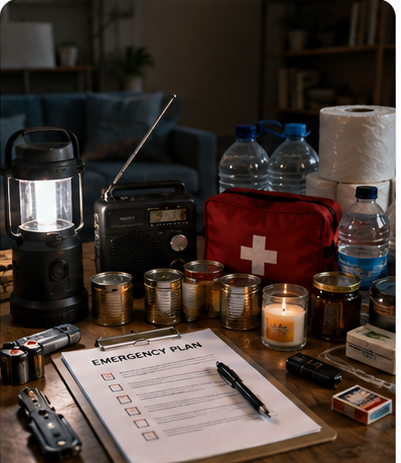
Solar panels and batteries are useful, but extended storms or winter cloud cover can reduce production. A layered backup plan may include battery storage, a properly connected generator, stored fuel, and non-electric ways to handle basic tasks. The appropriate combination depends on local hazards and the length of typical outages.
Never operate a fuel-burning generator indoors, in a garage, or near doors, windows, or vents. Use a transfer switch or other approved connection installed by a qualified electrician; never backfeed a home through a standard outlet. Maintain carbon monoxide alarms and follow all manufacturer instructions for placement, fueling, and storage.
10. Monitor, Maintain, and Manage Your System
Energy independence is an ongoing process rather than a one-time project. Review solar production, battery state of charge, and household consumption regularly. Unexpected changes may reveal dirty panels, equipment faults, failing appliances, or altered household habits.
- Test backup systems on the schedule recommended by the manufacturer.
- Keep vegetation from shading solar panels or obstructing outdoor equipment.
- Maintain a list of essential circuits and their approximate power requirements.
- Schedule energy-intensive tasks when solar production is high.
- Update your plan when household size, vehicles, appliances, or work routines change.
Create a Practical Energy Efficiency Plan
A more energy-efficient home starts with reducing unnecessary energy use, improving insulation and maintenance, and choosing efficient equipment when replacements are needed. Solar panels, batteries, and other backup options can then be considered based on your actual household needs.
Before making structural, electrical, or fuel-system changes, check local permits, utility requirements, insurance rules, and applicable building codes. A staged approach allows you to control costs, measure results, and build a home that is less dependent on outside energy without sacrificing safety or comfort.