Choosing the Right Emergency Power Backup for Your Home
A home backup power system can help keep essential appliances, communication equipment, and other important household systems operating during a power outage. Options range from portable generators and battery power stations to permanently installed generators and solar-plus-storage systems.
The right backup solution depends on which appliances and systems you need to support, how long outages typically last, your budget, available fuel or charging options, and whether you need a portable or permanently installed system.
Before buying equipment, make a list of your most important electrical loads rather than trying to power the entire house. Refrigeration, a few lights, internet equipment, device chargers, medical equipment, and heating system controls generally require far less power than central air conditioning, electric water heaters, ovens, or clothes dryers.
1. Portable Fuel Generators
Portable generators are a common and relatively affordable choice for extended outages. Models may run on gasoline, propane, or both. Dual-fuel generators offer flexibility when one fuel is difficult to obtain.
Advantages
- Lower purchase cost than most whole-house systems
- Enough output to run several appliances or selected home circuits
- Portable enough for use in different locations
- Can operate as long as fuel is available and the generator is properly maintained
Limitations
- Must be operated outdoors and away from doors, windows, vents, and occupied spaces
- Requires safe fuel storage and periodic refueling
- Produces noise, exhaust, and carbon monoxide
- Usually requires manual setup and starting
Never run a portable generator in a house, garage, basement, shed, or enclosed porch. Carbon monoxide can accumulate quickly, even if doors or windows are open. Follow the manufacturer’s placement instructions and use working carbon monoxide alarms inside the home.
To power household wiring, have an electrician install an approved transfer switch or generator interlock that complies with local codes. Never connect a generator to a wall outlet. This practice, known as backfeeding, can cause fires, damage equipment, and expose utility workers or neighbors to lethal voltage.
2. Permanently Installed Standby Generators
A standby generator is installed outside the home and connected to the electrical system through an automatic transfer switch. When utility power fails, the system can start automatically and supply either selected circuits or much of the house. Most residential models use natural gas or propane.
Standby systems are useful for homes that experience frequent outages, properties with sump pumps or well pumps, and households where automatic operation is important. They also eliminate the need to move equipment and connect cords during severe weather.
The main drawbacks are cost, professional installation, noise, fuel consumption, and ongoing maintenance. Natural gas service may also be interrupted in some emergencies, while propane capacity is limited by tank size. A qualified installer should calculate the electrical load, confirm fuel requirements, choose a safe location, and handle permitting.
3. Portable Power Stations
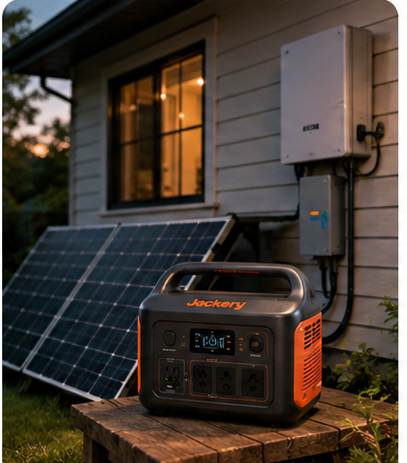
Portable power stations store electricity in rechargeable batteries and provide AC outlets, USB ports, and low-voltage connections. They are sometimes marketed as solar generators, although the battery itself does not generate electricity. It can usually be charged from a wall outlet, a vehicle connection, or compatible solar panels.
Best Uses
- Phones, radios, laptops, and internet equipment
- LED lights and small fans
- CPAP machines or other compatible medical devices, after verifying their power requirements
- Short-term refrigerator or freezer operation with a properly sized unit
Battery power stations operate quietly and do not produce exhaust at the point of use, making them suitable for indoor operation. However, they store a limited amount of energy. High-wattage appliances such as space heaters, electric cooktops, and air conditioners can drain them rapidly or exceed their inverter ratings.
Compare both watt-hours and continuous output. Watt-hours estimate stored energy, while the inverter rating indicates how much power the station can deliver at one time. Check the surge capacity for appliances with compressors or motors. Recharge time and battery chemistry are also important; lithium iron phosphate batteries often provide a long cycle life, though product quality varies.
4. Home Battery Backup Systems
A home battery system is a larger, permanently installed version of a portable power station. It connects to selected circuits or the main electrical panel and can switch on automatically during an outage. Some systems charge from the grid, while others integrate with rooftop solar panels.
Home batteries are quiet, require no refueling, and can provide nearly seamless power for essential loads. They may also reduce electricity costs where utilities offer time-of-use rates. Their disadvantages include substantial upfront costs, limited stored energy, and the need for professional design and installation.
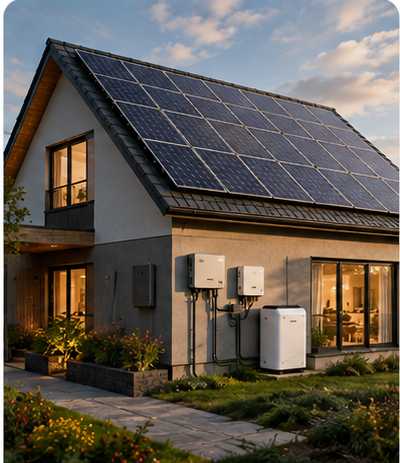
Solar panels can recharge batteries during a prolonged outage, but performance depends on the weather, season, panel capacity, and system configuration. Standard grid-tied solar systems generally shut down during an outage unless they include compatible islanding equipment, an appropriate inverter, and often a battery.
5. Solar Panels with Battery Storage
For households seeking greater energy independence, a properly designed solar-plus-storage system can support critical circuits through multi-day outages. It is especially useful where fuel deliveries are unreliable or outages coincide with sunny weather.
Solar production is variable, so the system should be sized using realistic local conditions rather than ideal panel ratings. Critical loads may still need to be reduced during cloudy periods. Some off-grid and resilient homes combine solar power and batteries with a fuel generator, using the generator only when solar production and stored energy are insufficient.
6. Vehicle-Based Emergency Power
Certain hybrid and electric vehicles offer built-in AC outlets or vehicle-to-load capability. Compatible models can run appliances through approved cords and adapters, while emerging vehicle-to-home systems can supply household circuits through dedicated equipment.
A standard gasoline vehicle with a small inverter may charge electronics, but the inverter must be rated for the load and connected according to its instructions. Do not idle a vehicle in a garage or near openings into the home. Vehicle-based power is best treated as a supplemental option unless the manufacturer specifically supports home backup operation.
How to Size a Backup Power System
List each essential device and its running wattage. Add the loads that may operate at the same time, then account for startup surges from refrigerators, freezers, pumps, furnaces, and air conditioners. Equipment labels and manuals provide the best starting figures, but a plug-in power meter can measure the consumption of many household devices more accurately.
For batteries, estimate daily energy use in watt-hours. A device drawing 100 watts for five hours uses approximately 500 watt-hours. Allow extra capacity for inverter losses, battery operating limits, cold weather, aging, and unexpected needs.
Practical Recommendations by Situation
- Short, occasional outages: A portable power station can cover lights, communications, and small electronics.
- Longer outages on a moderate budget: A portable dual-fuel generator paired with a professionally installed transfer switch is often practical.
- Frequent outages and automatic operation: Consider a standby generator or permanently installed home battery.
- Long-term resilience: Solar panels, battery storage, and a carefully sized backup generator provide multiple energy sources.
- Apartment or rental home: A battery power station is generally more suitable than combustion equipment, subject to building rules.
Prepare Before the Power Goes Out
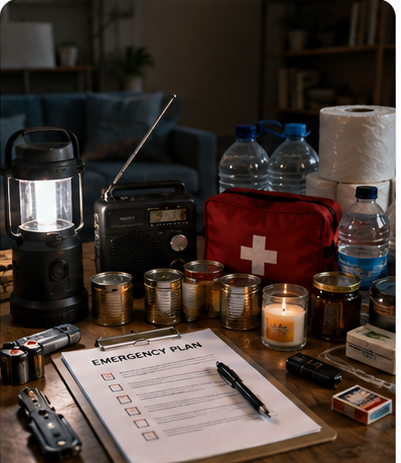
Test backup equipment regularly, keep manuals accessible, and maintain batteries and generators according to the manufacturers’ schedules. Rotate stored fuel safely, inspect extension cords, and keep spare engine oil, approved fuel containers, flashlights, and carbon monoxide alarm batteries on hand. Use heavy-duty, outdoor-rated cords sized for the connected load.
The most dependable solution is not always the system with the highest wattage. A well-sized backup plan, safe installation, reliable access to fuel or charging, and routine testing will provide better results than oversized equipment that is difficult to operate or maintain.