A More Resilient Home Starts With Practical Improvements
A resilient home is better prepared to handle everyday challenges, temporary disruptions, rising household costs, and unexpected problems. You do not need an off-grid system or a large property to make your home more capable.
Simple improvements such as growing some of your own food, reducing energy use, organizing a practical pantry, learning basic repairs, and preparing for power or water interruptions can make everyday life easier.
Start with one or two projects that fit your home, budget, and routine. As you gain experience, you can gradually build on what works for your household.
1. Grow Food in the Space You Have
A food garden is one of the most direct ways to increase household self-sufficiency. Begin with crops your family already eats and that grow well in your climate. Herbs, salad greens, radishes, bush beans, cherry tomatoes, and peppers can be productive choices for beginners.
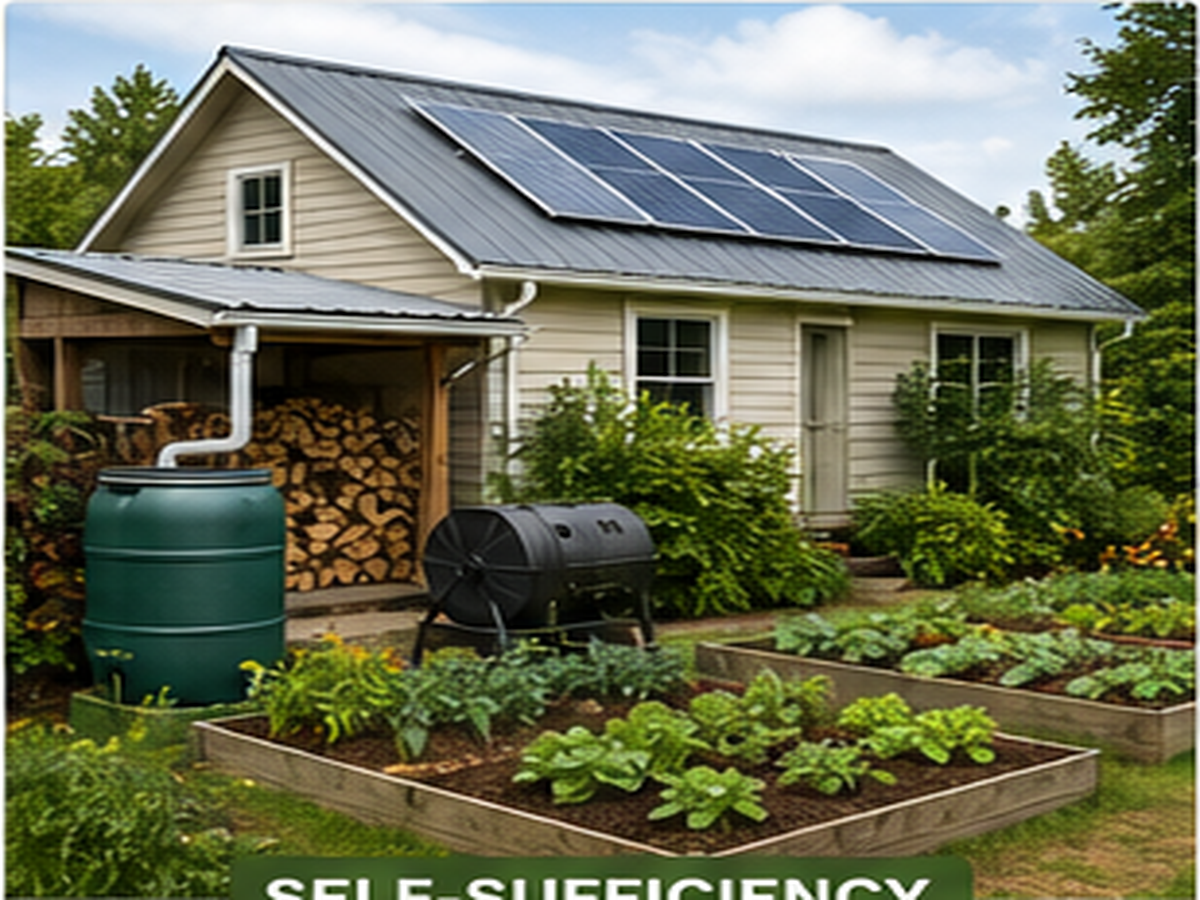
If you do not have an in-ground garden, use containers, raised beds, window boxes, or a sunny balcony. Vertical trellises can help cucumbers, peas, and pole beans produce in small spaces. For better results, learn your local frost dates, observe how many hours of sunlight the site receives, and improve the soil with finished compost.
2. Start a Simple Composting System
Composting turns kitchen scraps and yard debris into a useful soil amendment. It also reduces the amount of household waste sent to a landfill. A basic outdoor pile or enclosed bin can process fruit and vegetable scraps, coffee grounds, dry leaves, grass clippings, and small amounts of plain cardboard.
Balance moist, nitrogen-rich materials with dry, carbon-rich materials. Keep the pile about as damp as a wrung-out sponge, and turn it occasionally to introduce air. Avoid adding meat, dairy products, oily foods, pet waste, or diseased plants to a basic home compost pile. Apartment residents can consider a small worm bin where local rules and indoor conditions allow.
3. Collect and Use Rainwater
A rain barrel connected to a downspout can provide water for ornamental plants and, where appropriate, garden beds. This reduces demand on treated household water and provides a backup supply for limited outdoor uses during dry periods.
Check state and local regulations before installing a collection system. Use a secure lid and screen to keep out debris, mosquitoes, children, and animals. Direct overflow away from the foundation, and never assume collected rainwater is safe to drink. Potable use requires suitable treatment, testing, equipment, and compliance with local health requirements.
4. Reduce Household Energy Demand
Producing your own energy can be costly, but using less energy is often simple and affordable. Seal obvious air leaks around doors and windows, add weatherstripping, wash clothes in cold water when suitable, and turn off lights and electronics that are not in use. Replace frequently used bulbs with efficient LEDs as older bulbs fail.
A plug-in energy meter can help identify appliances that use significant electricity. If your home needs major insulation, electrical, or heating improvements, consider a professional energy audit before spending money. Reducing demand first may allow any future solar or backup power system to be smaller and less expensive.
5. Preserve Seasonal Food
Food preservation lets you store garden harvests and take advantage of seasonal produce. Freezing is often the easiest place to begin. Dehydrating can work well for herbs, some fruits, and vegetables, while refrigerator pickles offer a simple short-term option.
Home canning requires more care. Use current, tested recipes from reliable sources such as the USDA or a university extension service. Do not alter ingredient ratios, processing methods, jar sizes, or processing times. Label preserved food with the contents and date, rotate older items forward, and discard containers that leak, bulge, foam unexpectedly, or show other signs of spoilage.
6. Build a Practical Pantry
A well-managed pantry helps your household handle storms, short-term shortages, illness, or an unexpectedly busy week. Build it gradually by purchasing modest extras of foods you normally use. Useful staples may include rice, oats, pasta, beans, canned vegetables, canned fish, nut or seed butter, shelf-stable milk, and cooking oil.
Keep Pantry Storage Organized
- Store food in a cool, dry location away from direct sunlight.
- Write purchase or expiration dates where they are easy to see.
- Use the oldest suitable items first.
- Protect dry goods from moisture and pests.
- Include foods that can be prepared with little fuel or water.
Add a manual can opener and a supply of safe drinking water. Follow official local guidance for emergency water quantities and replace stored water as recommended for the containers you use.
7. Learn Basic Repair and Maintenance Skills
Self-sufficiency includes keeping useful items in service. Learn how to sew on a button, patch simple clothing tears, sharpen basic garden tools, unclog a sink trap, reset a circuit breaker, and maintain appliance filters. Keep a small tool kit with screwdrivers, pliers, an adjustable wrench, a hammer, a tape measure, a utility knife, and appropriate safety equipment.
Know your limits. Gas lines, major electrical work, structural repairs, and complex plumbing often require licensed professionals. The most valuable skill may be recognizing a small problem early and arranging the correct repair before the damage becomes worse.
8. Make Your Landscape More Productive
A productive yard can provide food, habitat, shade, and useful materials. Where space permits, consider perennial plants such as fruit trees, berry bushes, asparagus, rhubarb, and culinary herbs. Perennials usually take time to establish, but they can produce for years with less annual replanting.
Select plants suited to your climate, soil, available sunlight, and mature space. Native flowering plants can support local pollinators and beneficial insects. Mulch around plants to suppress weeds and slow moisture loss, but keep mulch away from trunks and building foundations.
9. Prepare for Power and Water Interruptions
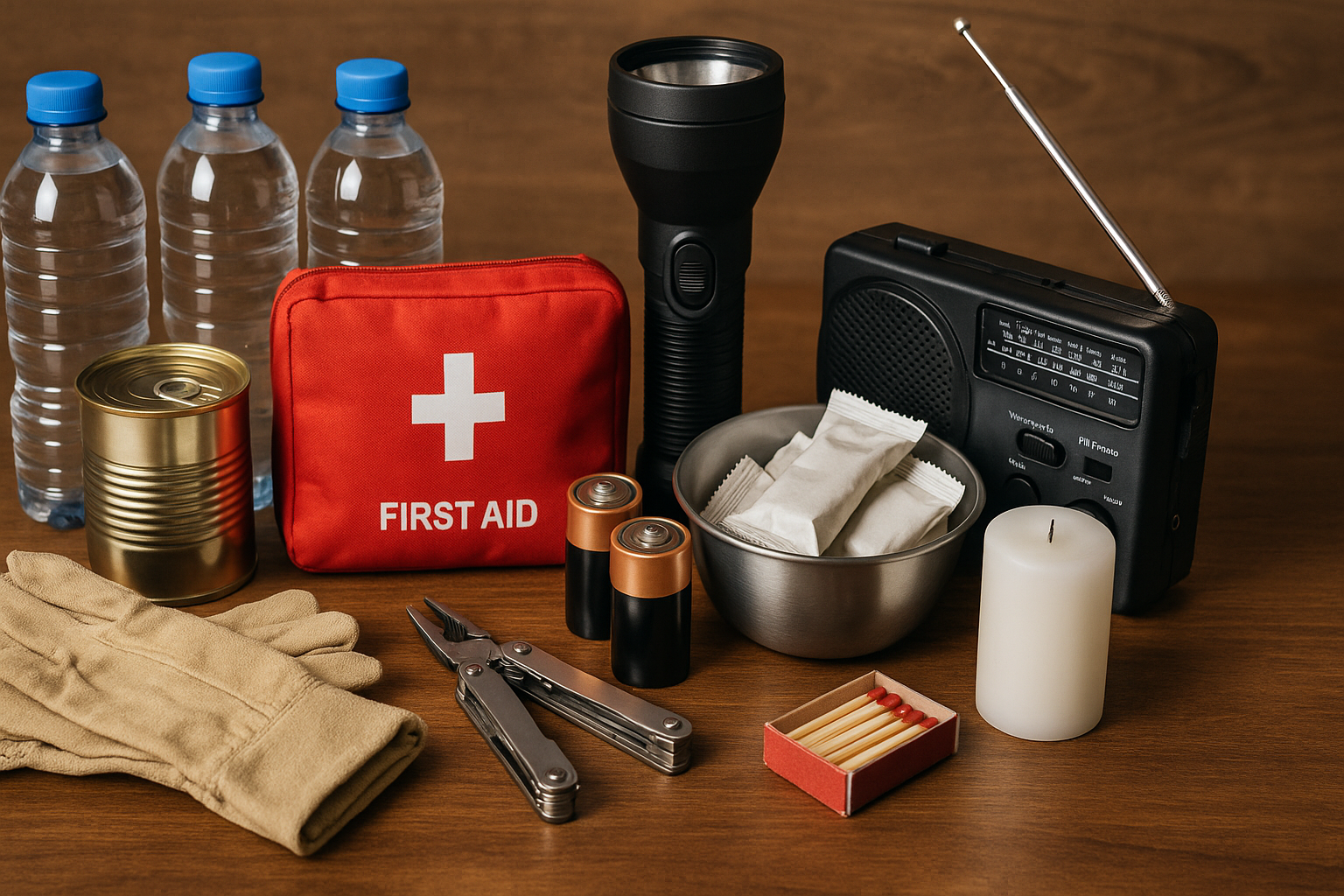
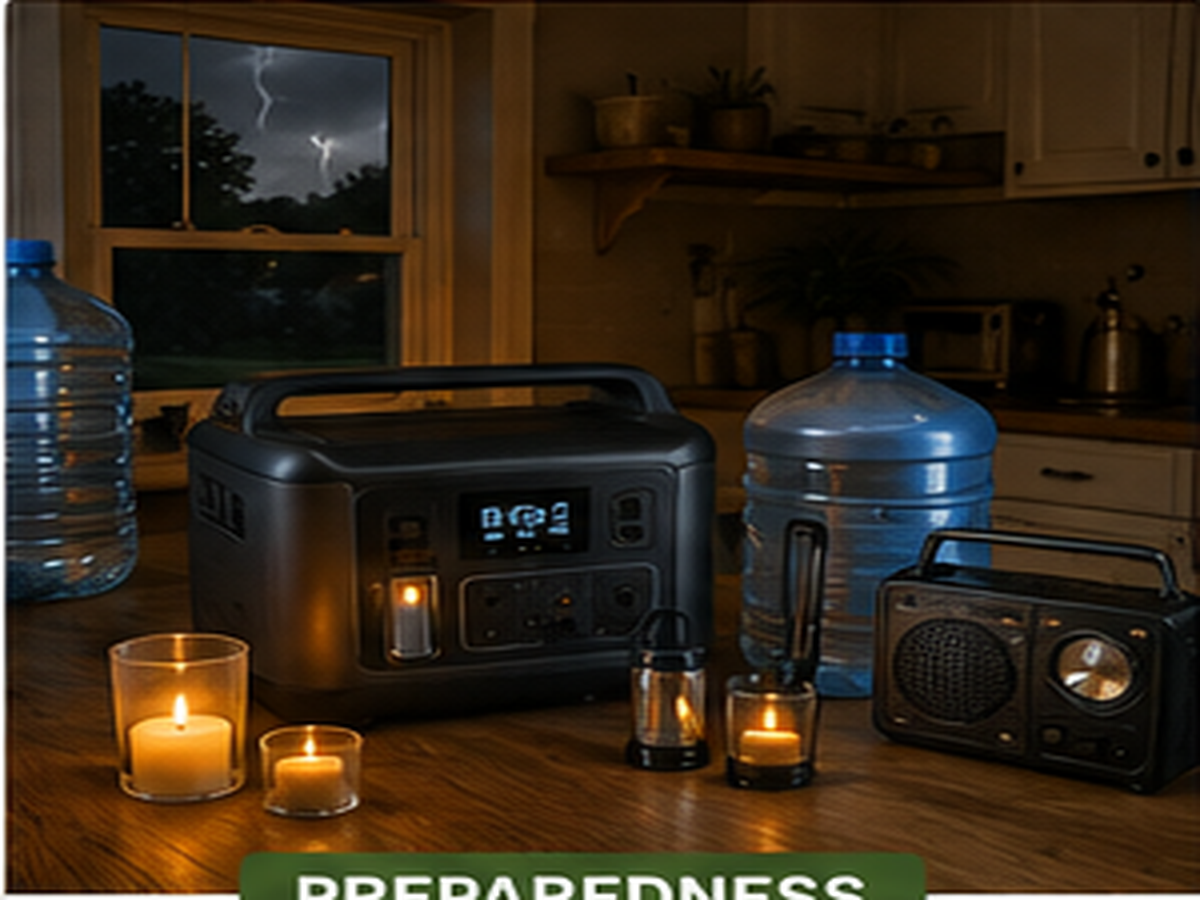
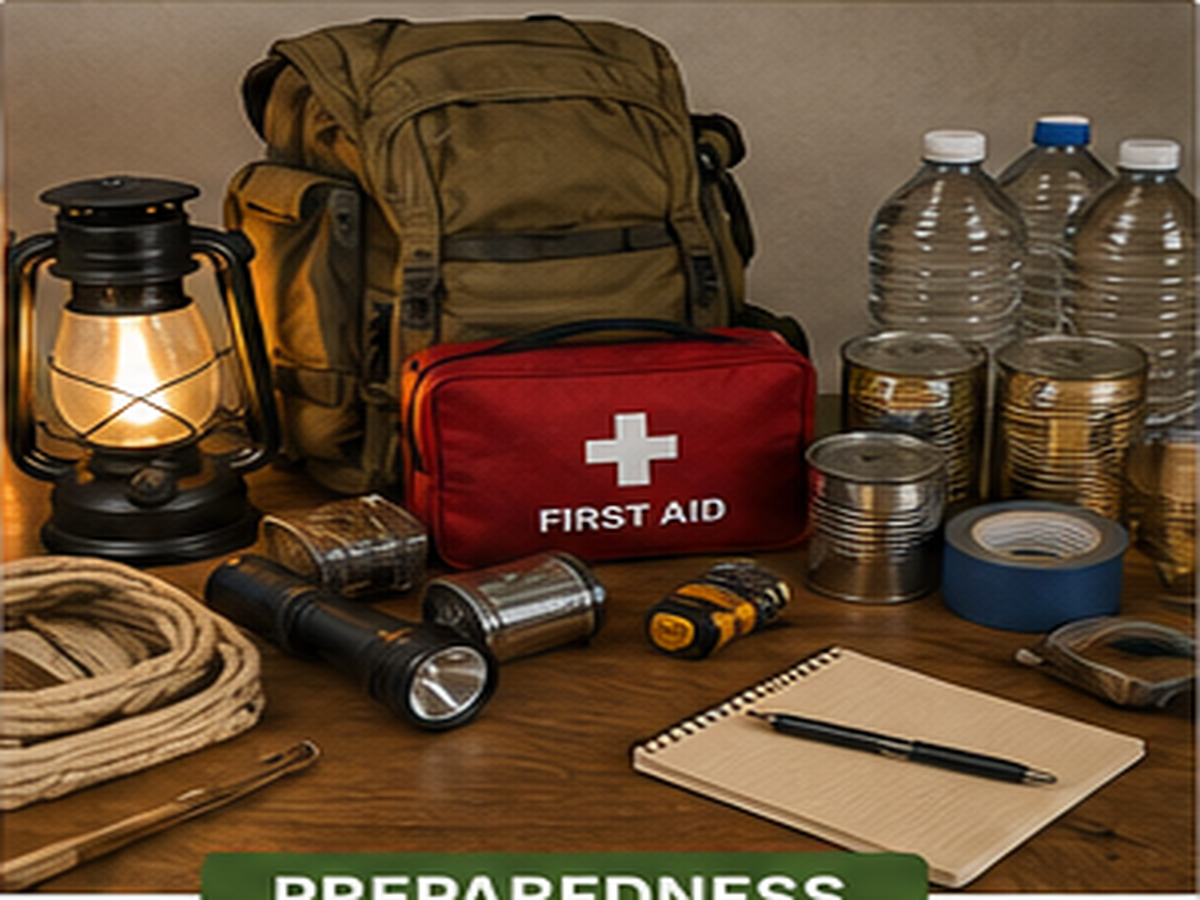
Basic preparedness makes a home more resilient without requiring a complete off-grid setup. Keep flashlights, spare batteries, a battery-powered or hand-crank radio, phone power banks, first-aid supplies, blankets, and copies of important contact information in an accessible location. Test equipment periodically and recharge batteries on a schedule.
If you use a generator, operate it outdoors at a safe distance from doors, windows, and vents, following the manufacturer’s instructions. Never run one in a house, garage, basement, or enclosed space because carbon monoxide can accumulate quickly. Install and maintain carbon monoxide alarms as recommended by local safety authorities.
10. Share Skills and Resources Locally
Self-sufficiency does not have to mean doing everything alone. Strong local relationships can make households more capable and resilient. Neighbors may exchange garden produce, share infrequently used tools, trade repair skills, or help one another during severe weather.
Look for community gardens, tool libraries, seed exchanges, repair events, extension classes, and local preparedness groups. Be clear about expectations when lending equipment or trading labor. A dependable network often provides more practical security than owning every possible tool yourself.
Create a Practical Home Resilience Plan
Start by looking at the areas where your household could become more prepared, efficient, or resourceful. Choose a project that solves a real problem, fits your budget, and can be maintained over time.
You might begin with a small vegetable garden, a better pantry system, a home maintenance checklist, or simple preparations for a power interruption.
A more resilient home is not created in a weekend. It develops through practical systems, useful skills, and steady improvements that make everyday life easier and more manageable.