Build Practical Skills for Everyday Preparedness
Emergency supplies are important, but they are most useful when household members know how and when to use them. Practical skills can help you handle power outages, severe weather, temporary disruptions, and everyday household problems with greater confidence.
Preparedness does not mean planning for every possible scenario. It means developing flexible skills that help you protect your household, meet basic needs, and respond calmly when something unexpected happens.
You do not need to learn everything at once. Start with the skills that are most relevant to your household, practice them regularly, and build your knowledge over time.
15 Practical Preparedness Skills
1. Create and Practice a Household Emergency Plan
Every household should have a written plan covering evacuation routes, shelter locations, emergency contacts, pets, medications, and individual responsibilities. Choose two meeting places: one near your home and another outside your neighborhood. Review the plan with children and practice it at least twice a year.
2. Receive and Understand Emergency Alerts
Learn which hazards affect your area and how local officials issue warnings. Enable emergency alerts on mobile phones, sign up for community notification systems, and keep a battery-powered or hand-crank weather radio. Household members should understand the difference between a watch, which means conditions are possible, and a warning, which means action may be necessary.
3. Store and Manage Emergency Water
A common preparedness guideline is to store at least one gallon of water per person per day for several days, with additional water for pets, medical needs, and hot climates. Use food-grade containers, label them with the storage date, and protect them from heat and chemicals. Learn where your household water comes from and how to follow official boil-water or contamination advisories.
4. Prepare Food Without Grid Power
Practice making simple meals from shelf-stable foods that require little water or cooking. Know how to use a manual can opener and rotate stored food into regular meals before it expires. Camp stoves, grills, and charcoal devices must be used outdoors in well-ventilated locations because they can produce dangerous carbon monoxide.
5. Learn Basic First Aid
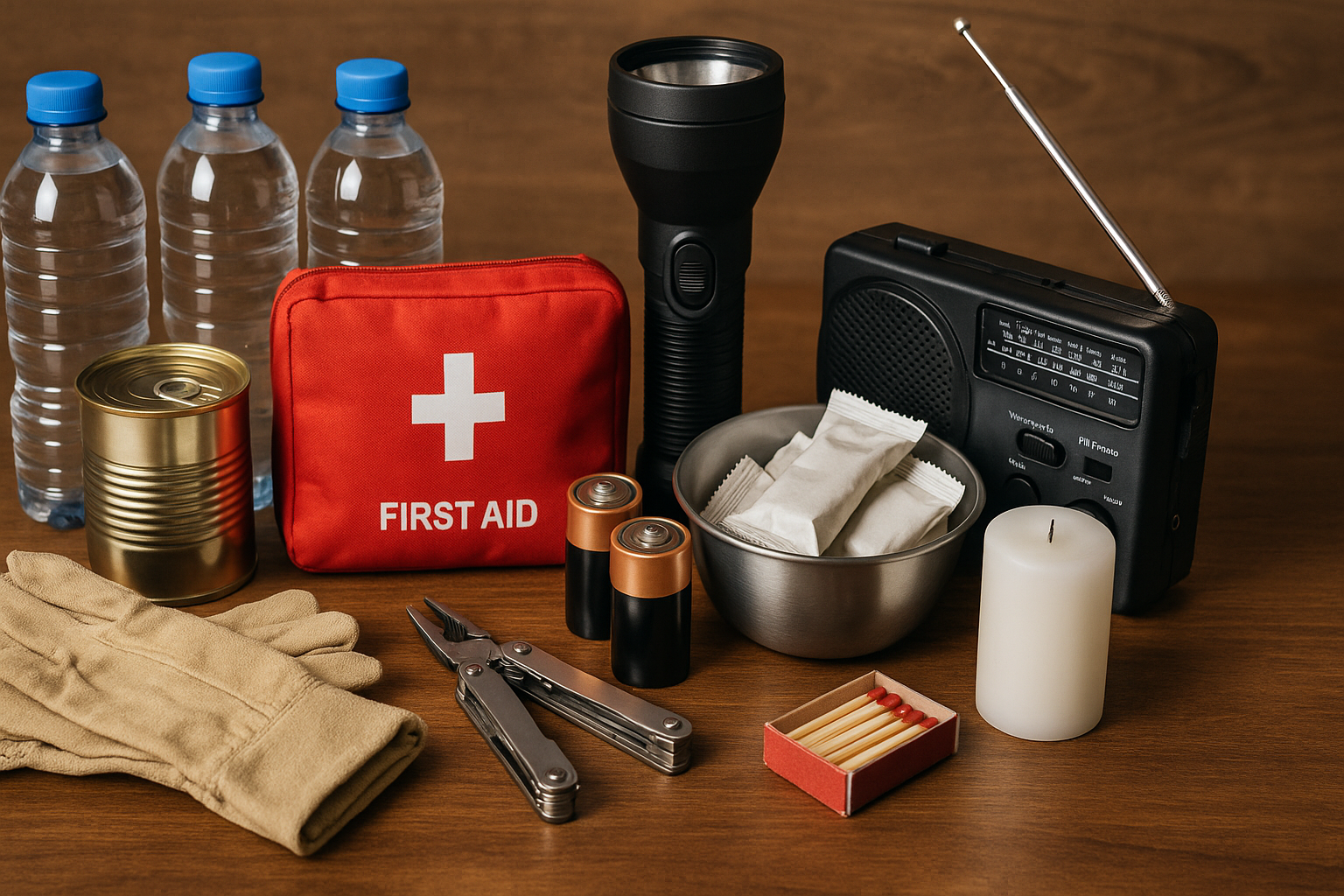
At least one household member should complete a recognized first-aid and CPR course, and ideally everyone who is able should receive basic training. Learn how to control bleeding, clean and cover minor wounds, recognize signs of serious illness or injury, and call emergency services. Keep a stocked first-aid kit and check it regularly for expired or depleted items.
6. Prevent and Respond to Household Fires
Install smoke alarms on every level and near sleeping areas, test them monthly, and replace batteries or units according to manufacturer instructions. Learn how to use a fire extinguisher and keep an appropriate model near higher-risk areas. Everyone should know two ways out of each room and understand that escaping safely takes priority over fighting a fire.
7. Shut Off Household Utilities
Know where the main water valve, electrical panel, and gas shutoff are located. Label them clearly and keep necessary tools accessible. Ask utility providers when and how each service should be turned off; gas service, in particular, may require a professional to restore. Never handle electrical equipment while standing in water.
8. Evacuate Efficiently
Identify several routes out of your neighborhood because roads may be blocked or congested. Keep vehicle fuel levels above empty, maintain portable go-bags, and make transportation plans for anyone without a car. Include carriers, leashes, records, food, and identification for pets. If authorities order an evacuation, leave promptly and follow designated routes.
9. Shelter in Place
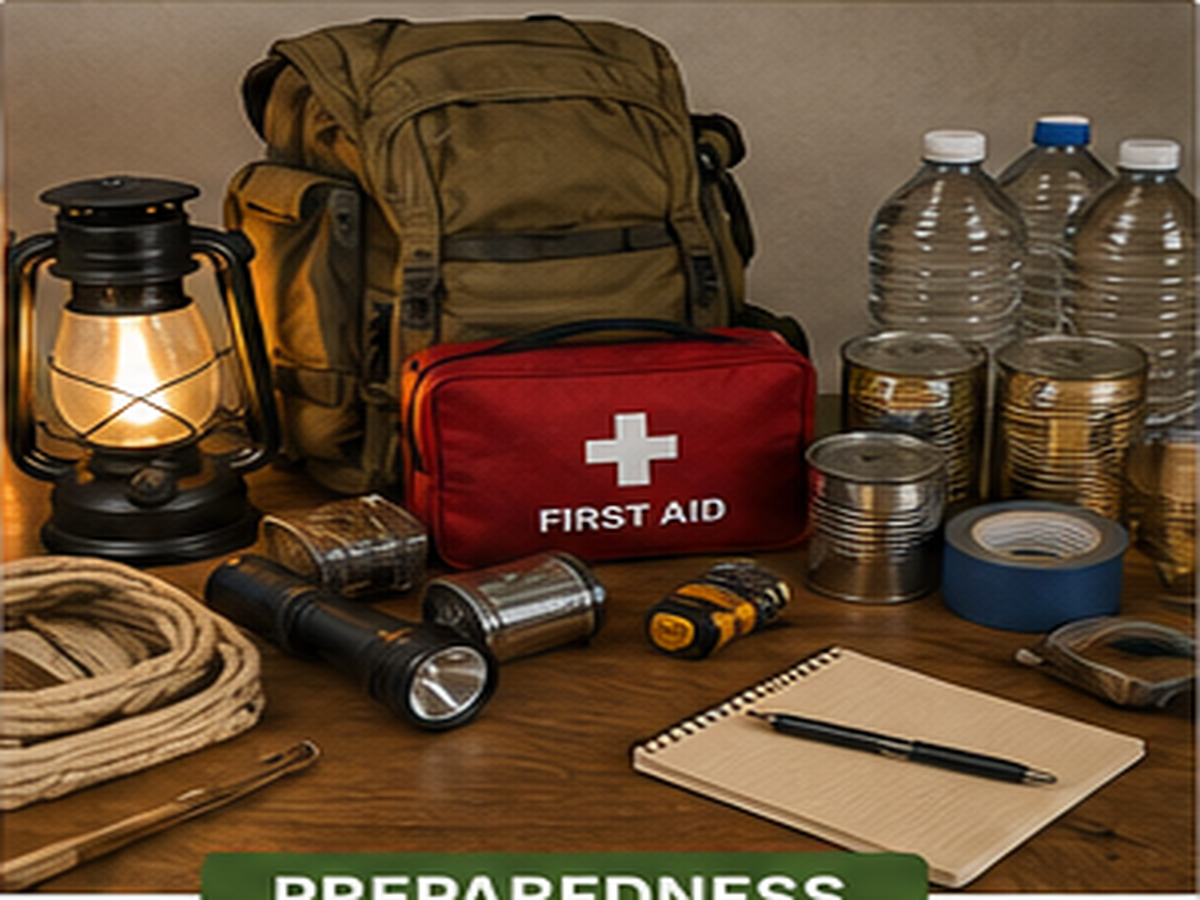
Some emergencies are safer to weather indoors. Choose an interior room for severe storms and identify the safest location for hazards common to your area. Store water, flashlights, a radio, sturdy shoes, and basic supplies nearby. For chemical incidents or poor outdoor air quality, follow local instructions rather than relying on a single sheltering method for every event.
10. Communicate When Networks Are Disrupted
Create a printed contact list because phone batteries can fail and saved contacts may become unavailable. Designate an out-of-area person who can receive status updates from separated family members. Text messages may go through when voice calls do not, but avoid unnecessary network use during major emergencies. Consider simple radios for communication around your property or neighborhood.
11. Maintain Emergency Lighting and Power
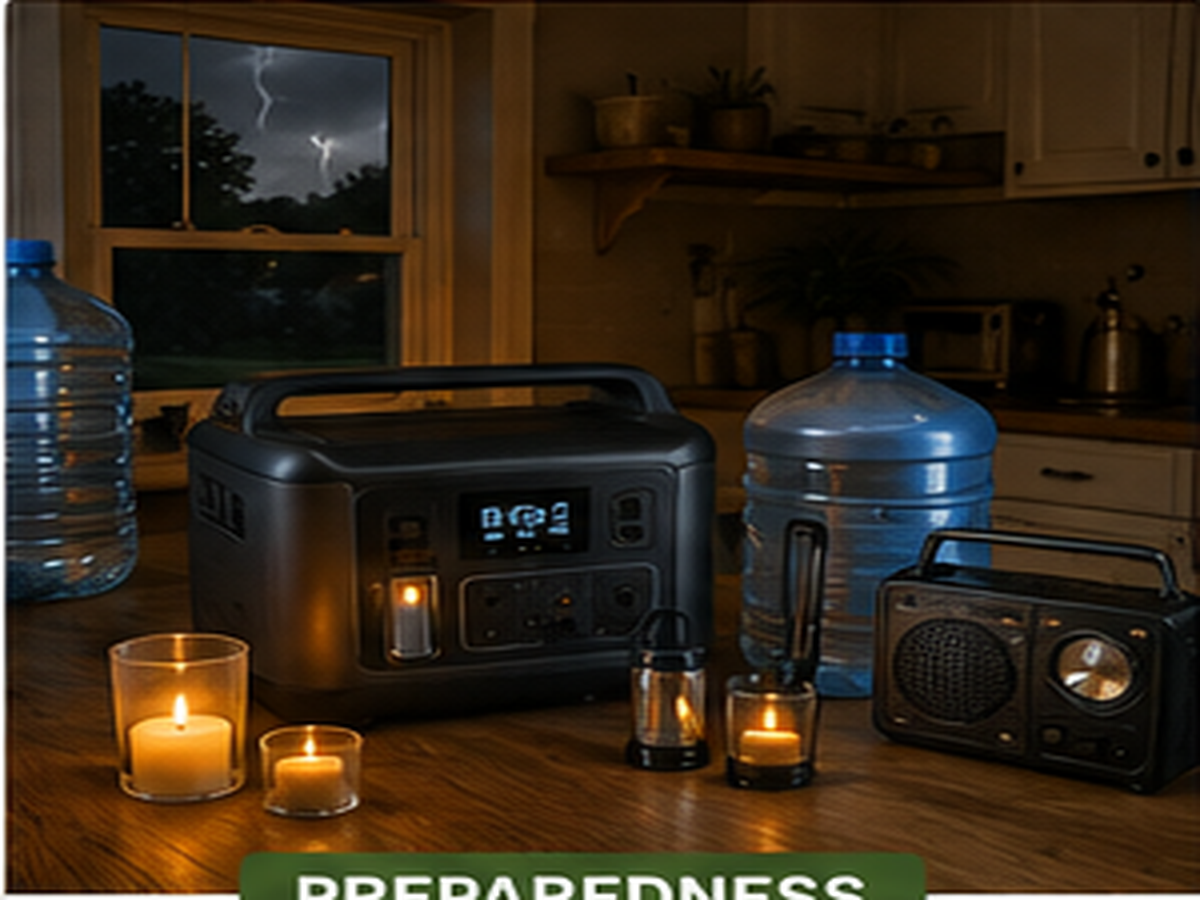
Make sure everyone can locate flashlights in the dark. Store spare batteries, rechargeable lights, and power banks, and test them on a schedule. Use candles cautiously, if at all, because they increase fire risk. Learn the safe operating rules for generators, which must remain outdoors and well away from doors, windows, and vents.
12. Keep Food Safe During an Outage
Keep refrigerator and freezer doors closed as much as possible. A refrigerator generally stays cold for about four hours if unopened, while a full freezer may hold its temperature for roughly 48 hours, or about 24 hours if half full. Use appliance thermometers and current food-safety guidance rather than relying on smell or appearance alone.
13. Manage Sanitation Without Running Water
Store soap, hand sanitizer, trash bags, disinfecting supplies, toilet paper, and heavy-duty liners. Learn how to create a temporary toilet system if plumbing is unusable, while following local disposal guidance. Separate human waste from food preparation and water storage areas. Good hand hygiene remains one of the most important sanitation habits during a disruption.
14. Handle Basic Home Repairs
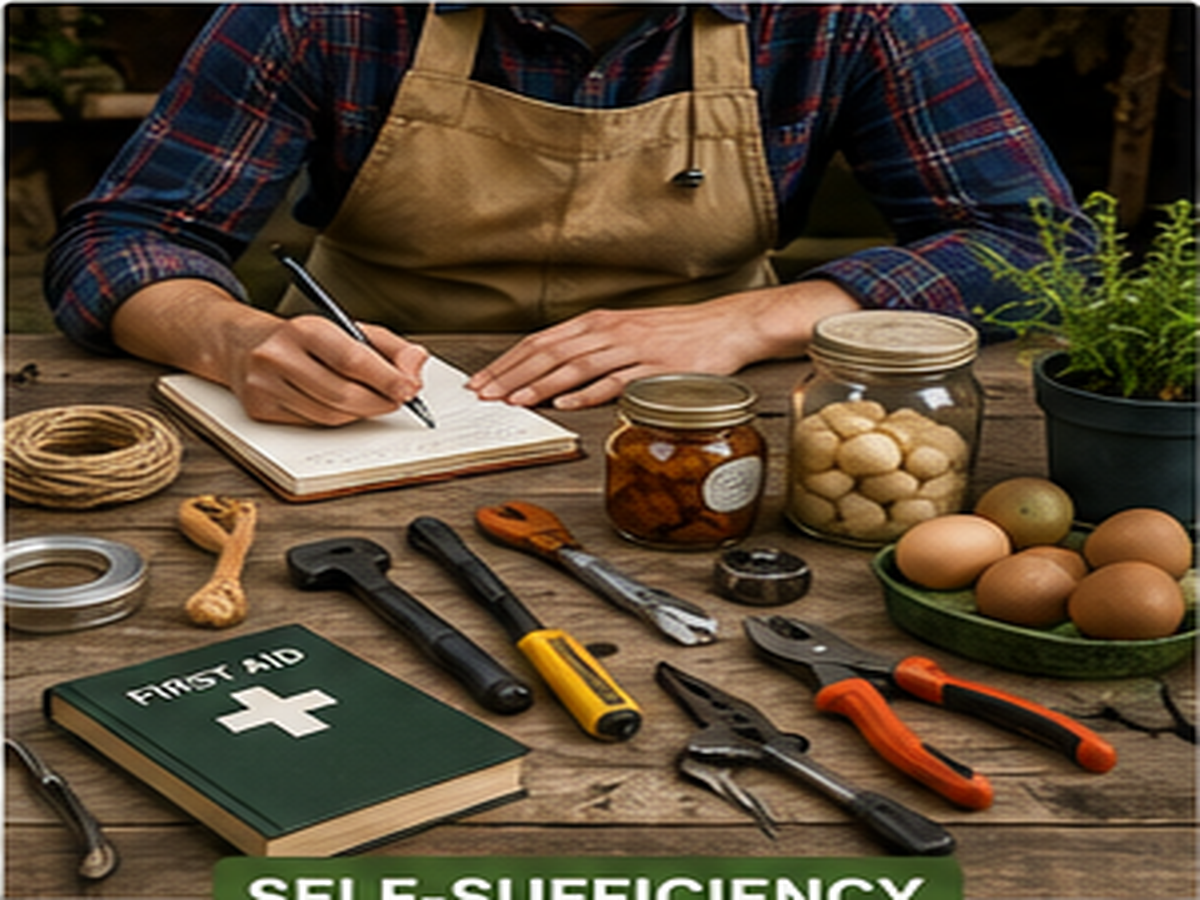
Simple repair skills can prevent small problems from becoming larger ones. Learn how to patch a minor leak temporarily, clear a safe drain blockage, secure a broken window, use basic hand tools, and identify damage that requires a professional. Keep work gloves, eye protection, plastic sheeting, duct tape, tarps, fasteners, and a compact tool kit available.
15. Assess Information and Make Calm Decisions
Emergencies often produce rumors, outdated posts, and conflicting advice. Verify information through local emergency management offices, weather agencies, utilities, and other authoritative sources. Pause before sharing unconfirmed claims. Assign tasks, check on household members, document important developments, and reassess conditions as new information becomes available.
How to Practice Without Feeling Overwhelmed
Choose one skill each month and turn it into a short household activity. You might locate utility shutoffs, cook a shelf-stable dinner, test emergency lights, or walk an evacuation route. Record missing supplies and unclear steps after each practice session.
Preparedness is an ongoing household habit rather than a one-time project. By combining reliable supplies with practiced skills, clear communication, and awareness of local guidance, your family will be better equipped to respond safely and adapt when normal services are disrupted.