Build a More Capable Home One Skill at a Time
A capable home is supported by practical knowledge and skills that help you maintain, repair, organize, and manage everyday needs. You do not need to give up modern conveniences or do everything yourself.
Learning useful skills can help you reduce waste, avoid unnecessary expenses, maintain your home more confidently, and handle temporary disruptions more effectively.
You do not need a large property to begin. Many of these skills can be practiced in an apartment, suburban home, or small garden. Start with the skills that are most useful for your household and build your experience gradually.
an home, or shared community space. Start with the abilities most relevant to your circumstances, then expand gradually.1. Growing Food
Learn how to grow at least a few vegetables, fruits, or herbs suited to your climate and available space. Begin with reliable crops such as leafy greens, bush beans, radishes, tomatoes, or culinary herbs. Container gardening is a practical option for balconies and patios.
Study sunlight, watering, planting dates, soil quality, and common pests. Keeping a simple garden journal will help you identify which varieties and methods work best from season to season.
2. Building and Improving Soil
Productive gardens depend on healthy soil. Learn to recognize basic soil texture, improve drainage, add organic matter, and protect bare ground with mulch. A soil test can reveal pH and nutrient levels, allowing you to make informed amendments rather than guessing.
Composting kitchen scraps, leaves, and untreated yard waste turns common materials into a useful soil amendment. Learn which items are suitable for compost and maintain a balance of moist nitrogen-rich materials and dry carbon-rich materials.
3. Preserving Food Safely
Food preservation extends the usefulness of seasonal harvests and bulk purchases. Freezing and dehydrating are approachable starting points. Fermentation, pressure canning, and water-bath canning require closer attention to sanitation, acidity, processing time, and tested recipes.
Use current guidance from reliable sources such as the USDA or a university extension service. Label preserved food with the contents and date, inspect it before use, and discard anything showing signs of spoilage or a failed seal.
4. Cooking from Basic Ingredients
Being able to prepare satisfying meals from pantry staples is one of the most useful self-sufficiency skills. Practice cooking rice, beans, lentils, eggs, vegetables, soups, sauces, and simple breads. Learn how to substitute ingredients when a recipe item is unavailable.
Meal planning and using leftovers creatively can lower food waste. A well-managed pantry should contain foods your household already eats, rotated so older items are used first.
5. Finding and Treating Water
Know where your household water comes from, how to shut it off, and how much you use. Learn safe methods for storing emergency water in clean, food-grade containers. Water collected from rain barrels can be useful for irrigation where local regulations allow it, but it should not automatically be considered safe to drink.
Different contaminants require different treatment methods. Boiling can address many biological hazards, but it does not remove every chemical or dissolved substance. Choose filtration or purification equipment based on the specific water source and follow manufacturer instructions.
6. Performing Basic First Aid
A reputable first-aid and CPR course can prepare you to respond appropriately while professional help is on the way. Learn how to clean and cover minor wounds, recognize signs of a serious emergency, use items in your first-aid kit, and communicate clearly with emergency services.
Check supplies regularly and replace expired or damaged items. First aid is not a substitute for professional medical care, so know your limitations and seek qualified help when needed.
7. Repairing and Maintaining Clothing
Simple sewing skills can keep damaged clothing in service. Practice threading a needle, sewing on a button, closing a split seam, patching a hole, and repairing a hem. A small kit with needles, strong thread, pins, scissors, and spare buttons is inexpensive and easy to store.
Learning how to wash, dry, and store different fabrics properly also prevents premature wear.
8. Using Hand Tools Safely
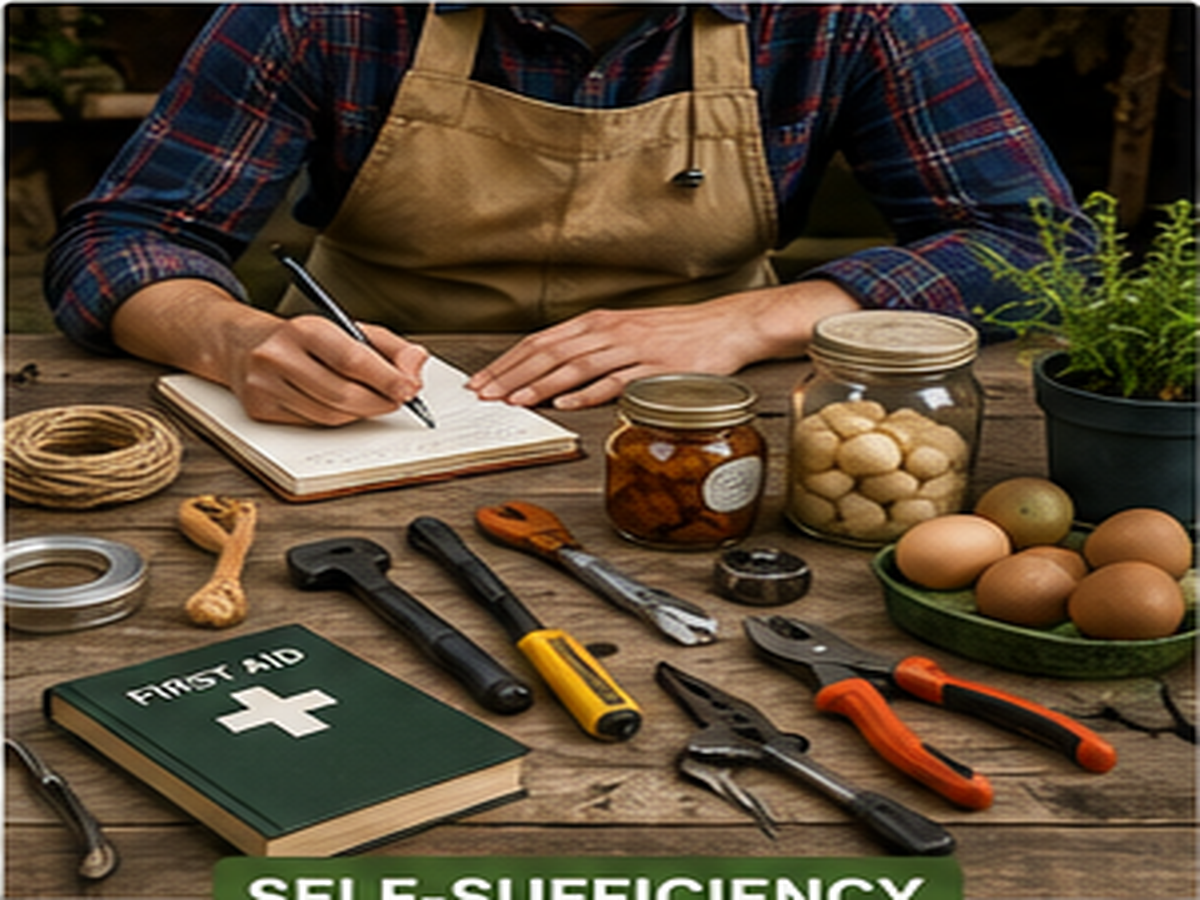
Become comfortable with common tools such as a hammer, screwdrivers, pliers, wrenches, a handsaw, a level, and a measuring tape. Learn what each tool is designed to do rather than improvising with the wrong one.
Wear suitable eye, hand, and hearing protection, secure workpieces, and keep cutting tools sharp. For electrical, structural, gas, or other hazardous work, recognize when a licensed professional is necessary.
9. Handling Basic Home Maintenance
Routine maintenance prevents small issues from becoming costly problems. Learn how to shut off water and electricity, unclog a drain safely, replace HVAC filters, test smoke and carbon monoxide alarms, seal minor drafts, and identify early signs of leaks or pest activity.
Create a seasonal checklist and keep manuals, model numbers, warranties, and repair records together for easy reference.
10. Managing Household Energy
Self-sufficiency includes using energy wisely. Learn to read utility bills, identify high-consumption appliances, reduce standby loads, and improve insulation or weatherstripping where appropriate. Understanding your essential electrical needs also helps you choose realistic backup options.
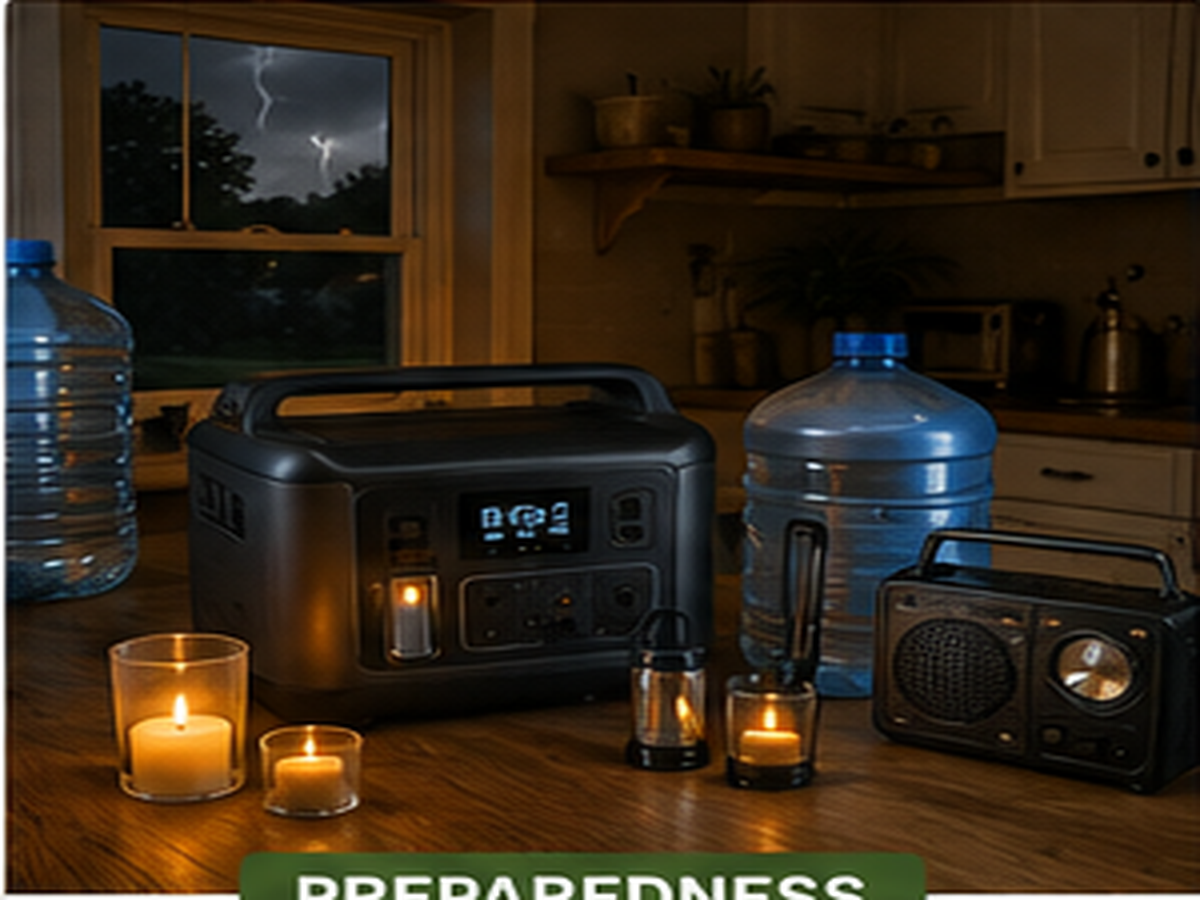
If using generators, fuels, batteries, or solar equipment, follow fire, ventilation, electrical, and storage requirements. Never operate a fuel-burning generator inside a home, garage, or other enclosed space.
11. Navigating Without a Phone
Digital maps are convenient, but batteries fail and coverage disappears. Learn to read a paper map, identify landmarks, understand cardinal directions, and plan alternate routes. Keep current local and regional maps in your vehicle or emergency supplies.
A compass is useful only if you know how to use it, so practice in a familiar area before relying on it elsewhere.
12. Budgeting and Managing Resources
Financial resilience supports practical independence. Track income and expenses, distinguish needs from optional purchases, plan for irregular costs, and build an emergency fund at a pace your budget allows.
Compare the cost of making, repairing, buying used, borrowing, and hiring help. Self-sufficiency should save resources over time, not pressure you into purchasing equipment you rarely use.
13. Bartering and Building Community
No household can master every trade. Strong relationships with neighbors, local growers, craftspeople, and community groups create a valuable network of knowledge and support. Learn to exchange goods or labor fairly, communicate expectations, and follow through on commitments.
Tool libraries, seed swaps, repair events, and cooperative buying groups are practical ways to access resources without owning everything individually.
14. Planning for Emergencies
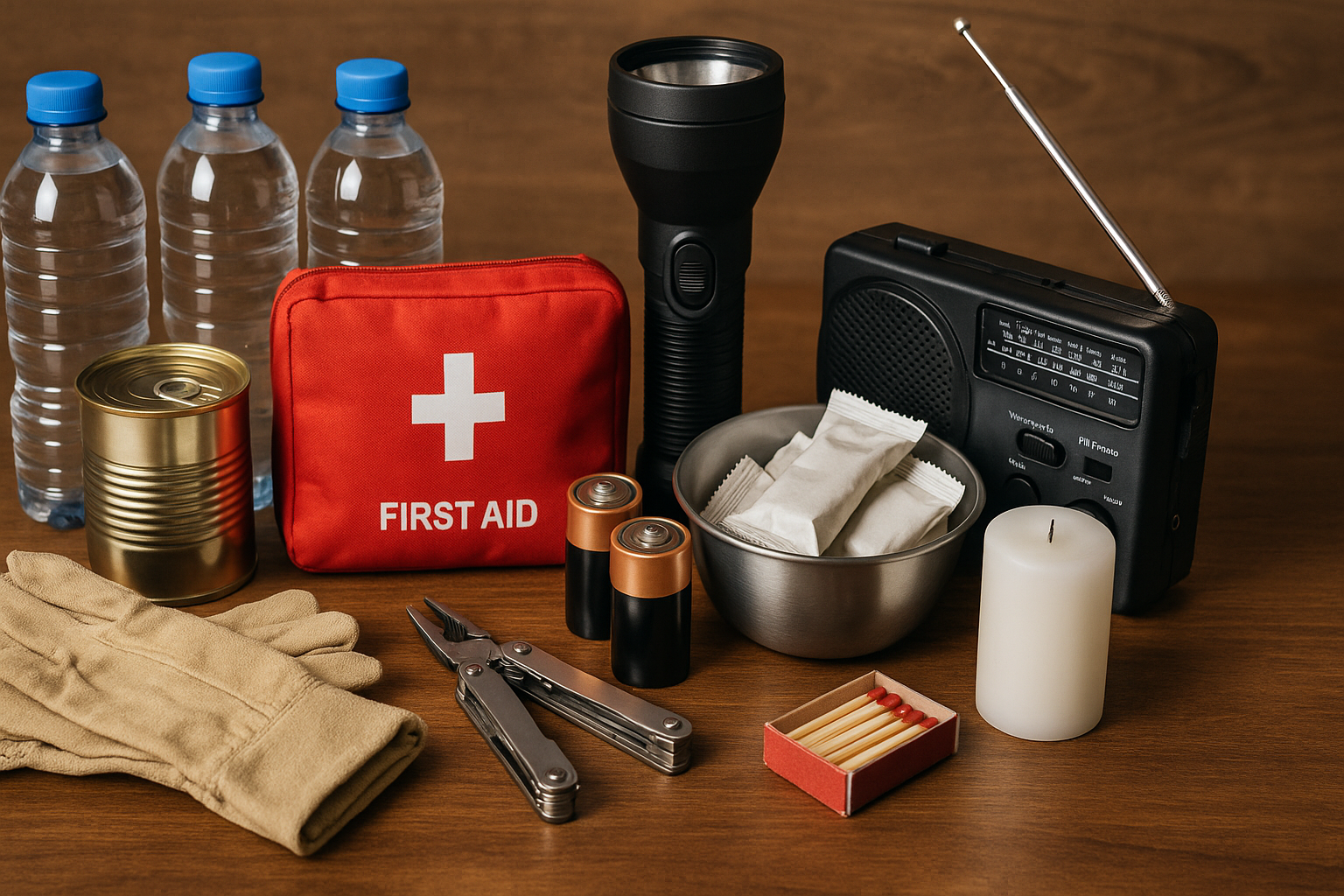
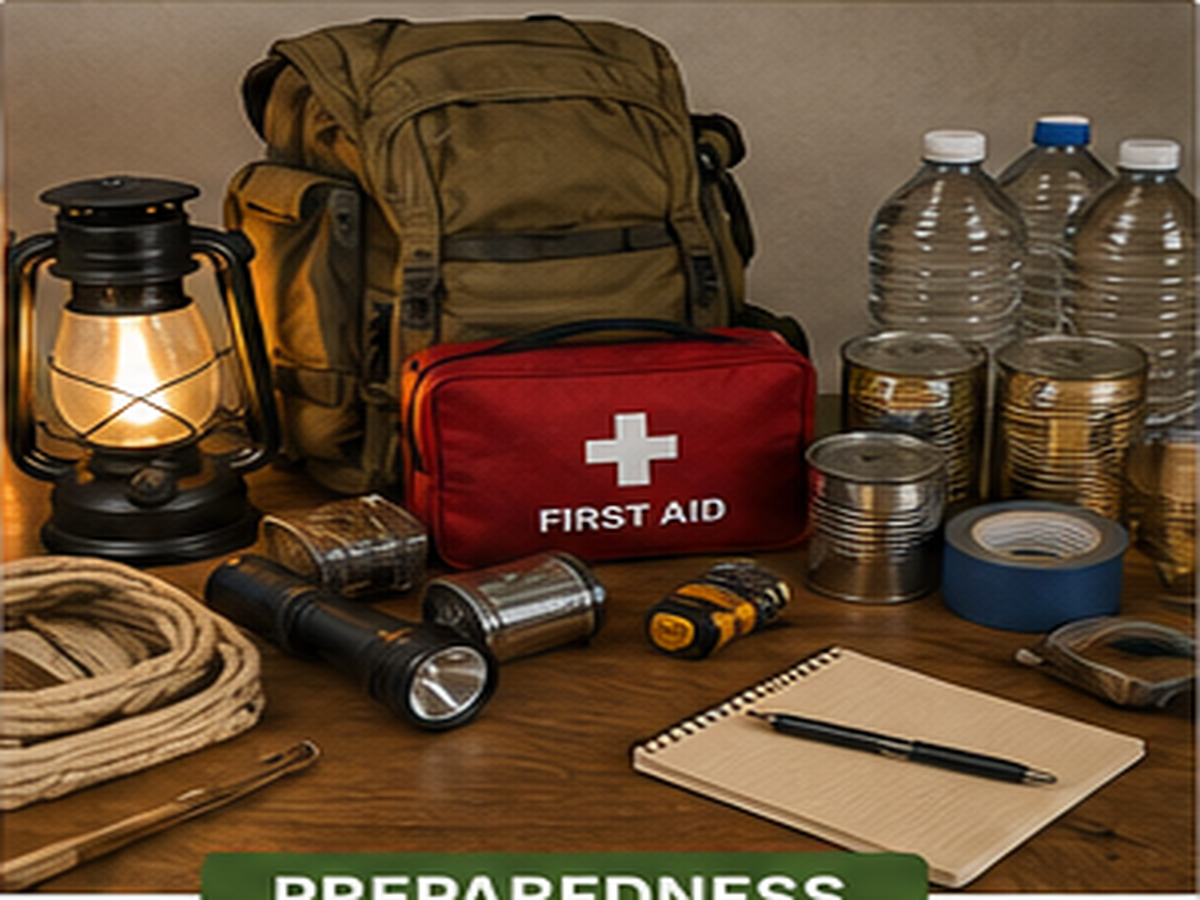
Prepare for hazards that are realistic in your area, such as severe weather, wildfire, flooding, earthquakes, or extended power outages. Make a household communication plan, identify evacuation routes, and assemble supplies for people, pets, and essential medications.
Review the plan at least once a year. Practice key steps so everyone knows where supplies are stored and how to leave or shelter safely.
15. Learning, Troubleshooting, and Adapting
The most important self-sufficiency skill is knowing how to learn. Break unfamiliar problems into smaller parts, consult trustworthy references, test low-risk solutions, and record the results. Mistakes are useful when they are made safely and evaluated honestly.
Choose one project at a time, such as growing herbs, baking bread, repairing a shirt, or learning the locations of utility shutoffs. Consistent practice builds more lasting capability than attempting a complete lifestyle change all at once.
Start With What You Use Every Day
Focus first on skills connected to your household's regular needs. Cooking, budgeting, maintenance, food growing, and emergency planning offer frequent opportunities to practice. As those abilities become routine, add more specialized skills. Self-sufficient living is not a finish line; it is an ongoing process of becoming more prepared, resourceful, and thoughtful about the way you use what you have.