How to Start a Vegetable Garden in a Small Backyard
You do not need a large yard to grow a productive vegetable garden. With the right layout, suitable crops, and a little planning, even a compact backyard can provide fresh vegetables for your household.
Start by looking at the sunlight, soil, drainage, and water access in your yard. Then choose a manageable selection of vegetables and use space-saving methods such as raised beds, containers, trellises, and succession planting.
This guide walks you through the practical steps for planning, planting, watering, and caring for a small backyard vegetable garden.
Evaluate Your Backyard
Before buying seeds or building beds, spend a few days observing the yard. Note where sunlight falls, how water drains after rain, and which areas are easy to reach. These details will help you avoid placing vegetables in a spot where they struggle.
Measure the Sunlight
Most vegetables grow best with at least six hours of direct sunlight per day. Fruiting crops such as tomatoes, peppers, cucumbers, and squash generally need the sunniest location. Leafy greens, radishes, beets, and some herbs can tolerate partial shade, especially in hot weather.
Check the yard in the morning, around midday, and in the late afternoon. Remember that nearby trees will create more shade after they develop a full canopy. Buildings, fences, and sheds can also affect the amount of light throughout the season.
Check Drainage and Access
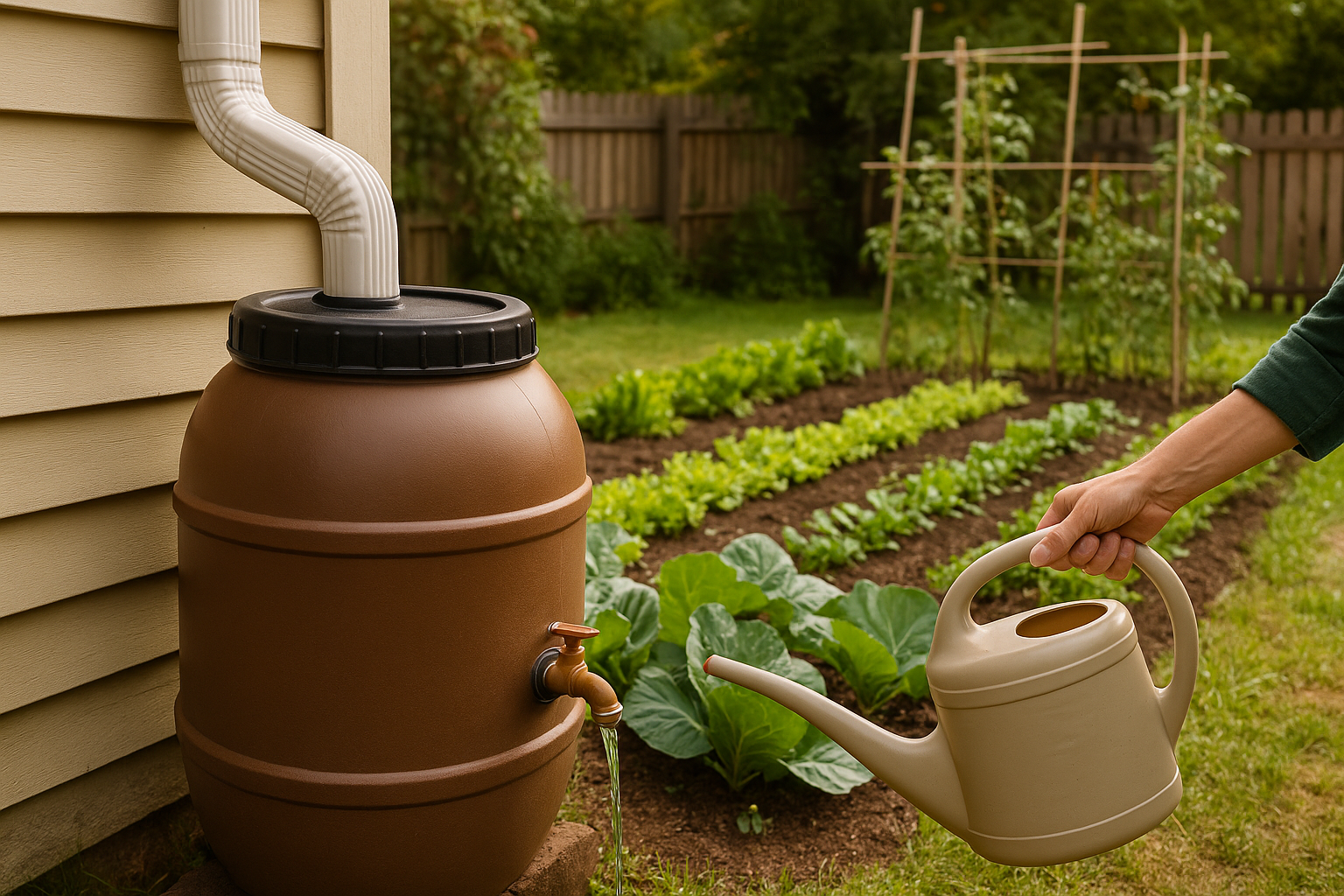
Avoid low areas where water remains after a storm. Constantly wet soil can limit root growth and contribute to plant problems. Choose a location near a water source if possible, since hauling watering cans across the property becomes inconvenient during summer.
Make sure you can reach every part of the growing area without stepping on the soil. Regular foot traffic compacts soil and reduces the air spaces that roots need. Beds that are about three to four feet wide are typically easy to tend from both sides.
Choose a Space-Saving Garden Style
You do not need traditional rows to grow vegetables. In a small backyard, compact beds and containers usually make better use of the space.
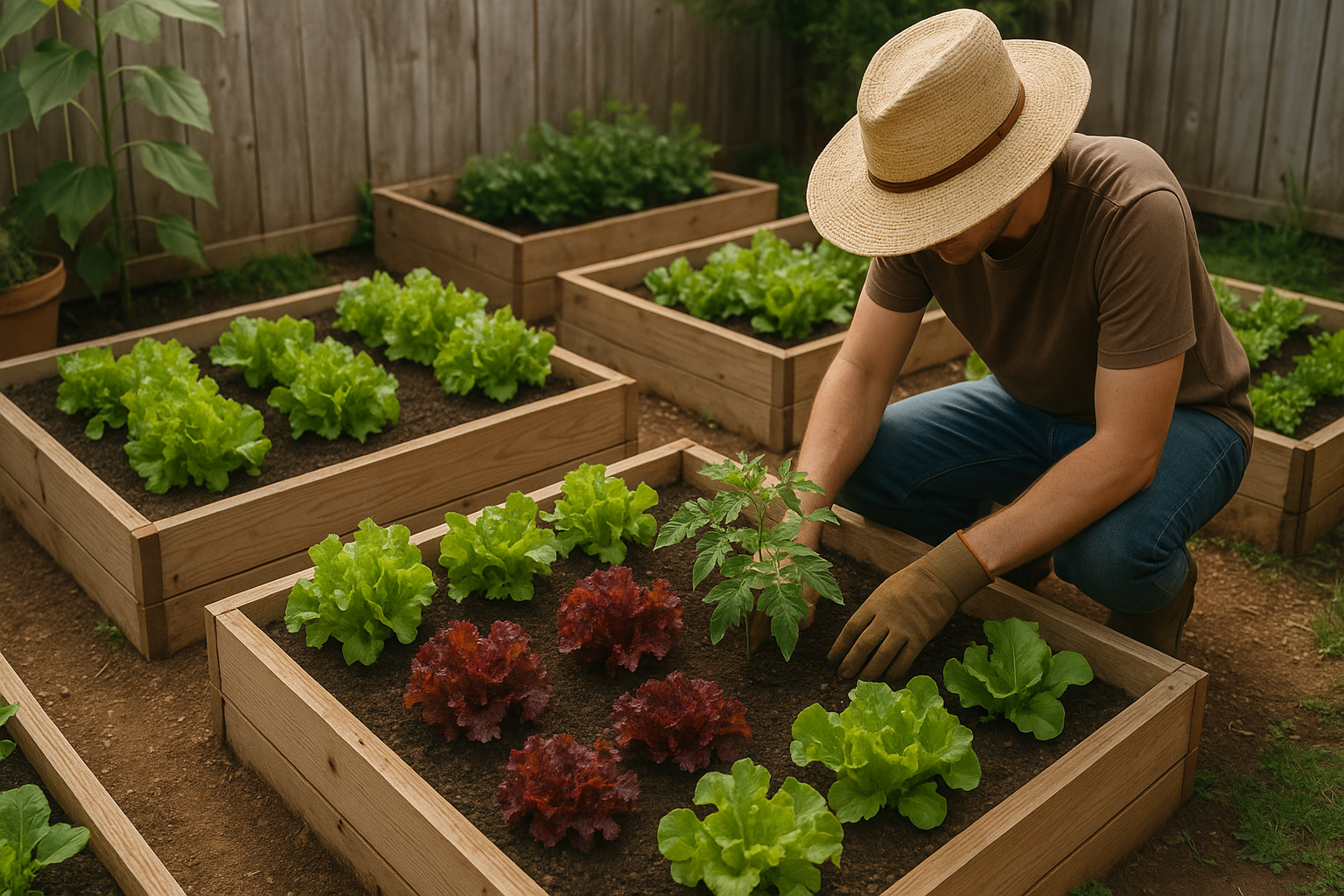
- Raised beds: These create defined growing areas, improve control over soil quality, and can be built over poor ground. Keep them narrow enough to reach the center.
- In-ground beds: These are economical when the existing soil drains well and is safe for food gardening.
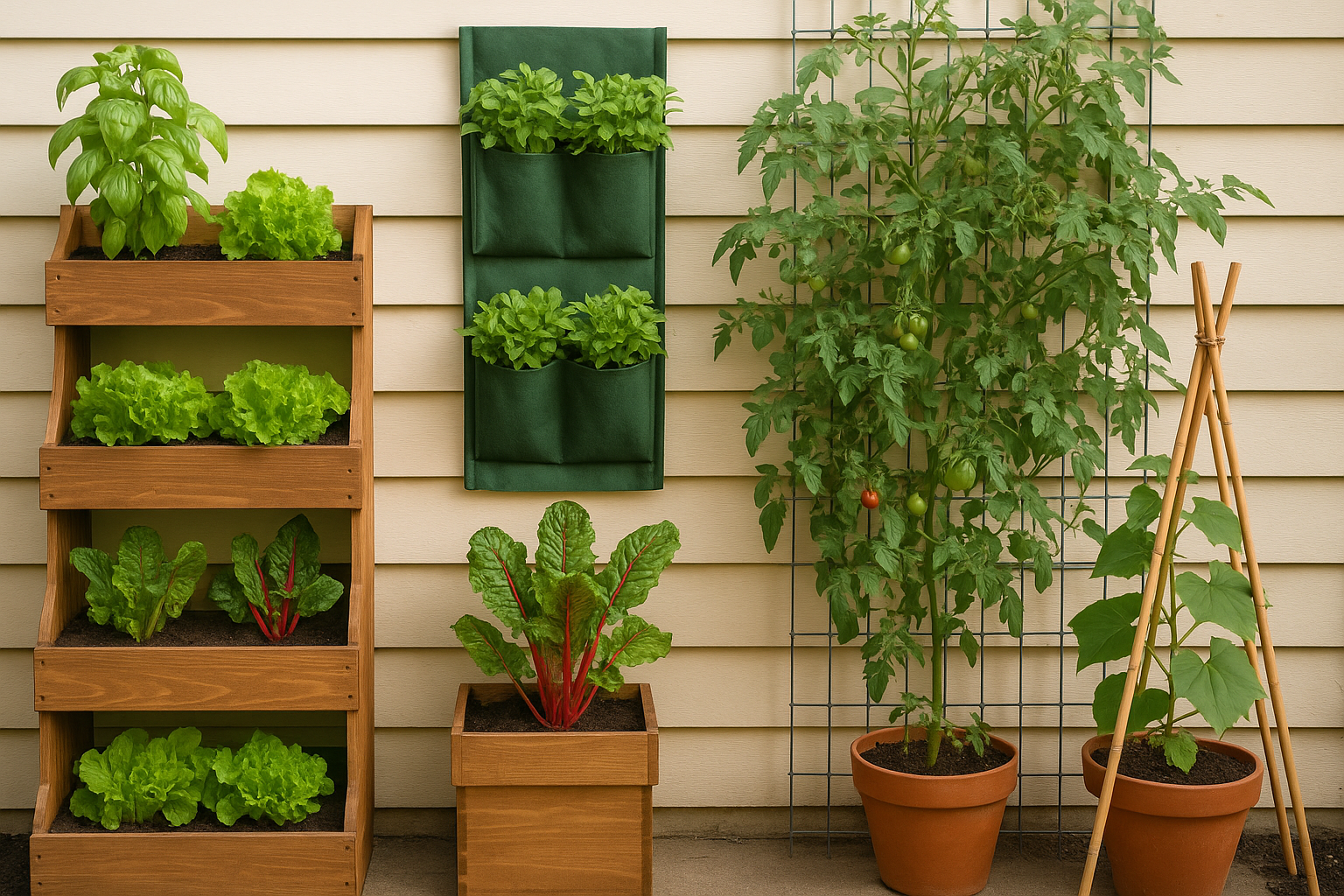
- Containers: Pots, buckets with drainage holes, fabric grow bags, and window boxes work well on patios and other hard surfaces.
- Vertical gardens: Trellises, cages, and sturdy fences allow climbing plants to grow upward rather than spread across the ground.
A combination often works best. For example, you might use one raised bed for greens and root vegetables, large containers for tomatoes and peppers, and a trellis for pole beans or cucumbers.
Prepare Healthy Garden Soil
Productive vegetables depend on loose, well-drained soil that contains organic matter. If you are planting in the ground, consider getting a soil test through a local Cooperative Extension office or reputable laboratory. A test can identify the soil pH and provide amendment recommendations based on actual conditions.
Remove weeds and loosen compacted ground without repeatedly pulverizing it. Mix in finished compost to improve soil structure and water retention. Avoid using fresh manure around edible crops because it can contain pathogens and may be too strong for plants.
For containers, use a quality potting mix rather than soil dug from the yard. Garden soil tends to become dense in pots and may drain poorly. Every container must have adequate drainage holes. Larger pots hold moisture longer and give roots more room, making them easier to manage during hot weather.
Select Vegetables for a Small Garden
Prioritize vegetables your household enjoys and crops that provide a worthwhile harvest in limited space. Compact, bush, patio, and dwarf varieties are often good choices. Read seed packets and plant labels for mature size, spacing, and days to harvest.
Good Small-Space Crops
- Leaf lettuce and other salad greens
- Radishes, carrots, and beets
- Bush beans or trellised pole beans
- Cherry or compact tomatoes
- Peppers and eggplants
- Green onions and many culinary herbs
- Trellised cucumbers
- Compact summer squash varieties
Large pumpkins, sprawling winter squash, sweet corn, and full-size melons can overwhelm a small yard. You can still grow them if they are a priority, but understand how much room each plant will need before including it.
Choose varieties suited to your region and growing season. Your local Extension office can provide frost dates and planting guidance. Cool-season crops such as peas, lettuce, and radishes are generally planted around the cooler parts of the season, while tomatoes, peppers, beans, and cucumbers need warm conditions.
Create a Simple Planting Plan
Sketch the garden on paper before planting. Place taller crops and trellises where they will not shade shorter plants. In many yards, this means locating them along the north side of the garden, although the best arrangement depends on surrounding structures and the direction of the sun.
Follow the spacing listed for each variety. Crowding may appear efficient, but plants packed too closely compete for light, water, and nutrients. Poor airflow can also make disease problems harder to manage.
Use these techniques to extend the productivity of a small plot:
- Succession planting: Sow small amounts of quick-growing crops every couple of weeks instead of planting the entire packet at once.
- Replace finished crops: When spring radishes or lettuce are done, use the open space for beans, basil, or another warm-season crop.
- Interplant carefully: Grow fast crops between slower ones when their root systems and mature sizes are compatible.
- Grow vertically: Train vining crops onto supports and secure them as they grow.
Plant Seeds and Transplants Correctly
Some vegetables, including beans, peas, radishes, and carrots, are usually straightforward to sow directly in the garden. Tomatoes, peppers, and eggplants are commonly planted as transplants because they need a longer growing period. Follow seed-packet directions for planting depth; tiny seeds are generally planted more shallowly than large seeds.
Water gently after planting so seeds are not displaced. Once seedlings emerge, thin them to the recommended spacing. Although removing healthy seedlings can feel wasteful, thinning prevents overcrowding and helps the remaining plants develop properly.
Water, Mulch, and Feed Wisely
Check soil moisture by touching the soil below the surface rather than watering on a fixed schedule. Water deeply enough to moisten the root zone, then allow the surface to begin drying before watering again. Containers may need more frequent attention than garden beds, especially during hot or windy conditions.
Water near the base of plants in the morning when practical. A watering wand, soaker hose, or drip system limits water on foliage and reduces waste. Add a layer of clean straw, shredded leaves, or another suitable organic mulch after the soil warms. Mulch helps conserve moisture, suppress weeds, and reduce soil splashing onto leaves.
Fertilizer needs vary with the soil and crop. Follow soil-test guidance when available, and apply packaged fertilizers according to label directions. More is not better; excessive fertilizer can encourage weak growth or damage roots.
Manage Weeds and Pests Early
Inspect the garden several times each week. Pull small weeds before they produce seeds or compete heavily with vegetables. Look under leaves for insects, eggs, holes, discoloration, and other changes. Correct identification is important because many insects found in gardens are harmless or beneficial.
Start with low-impact controls: remove affected leaves, handpick larger pests, use row covers over vulnerable young crops, and keep the garden free of diseased debris. If a pesticide becomes necessary, choose a product labeled for the specific pest and edible crop, then follow all instructions, including harvest waiting periods.
Start Small and Keep Notes
A single well-managed bed or a few containers can teach you more than an oversized garden that becomes difficult to maintain. Record planting dates, varieties, harvest results, and recurring problems. At the end of the season, note which crops earned their space and what you would change.
Small-backyard vegetable gardening is an ongoing process of observation and adjustment. Begin with a practical layout, healthy soil, and a manageable selection of crops. As you learn how sunlight, weather, and plants behave in your yard, you can refine the garden and make better use of every growing space.